
Blog

Cost-Effective Solutions: Renting vs. Buying Event Equipment
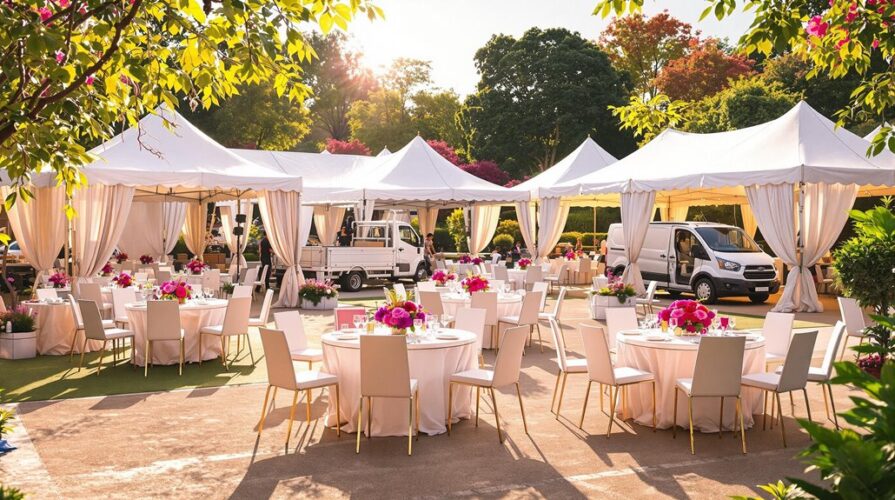
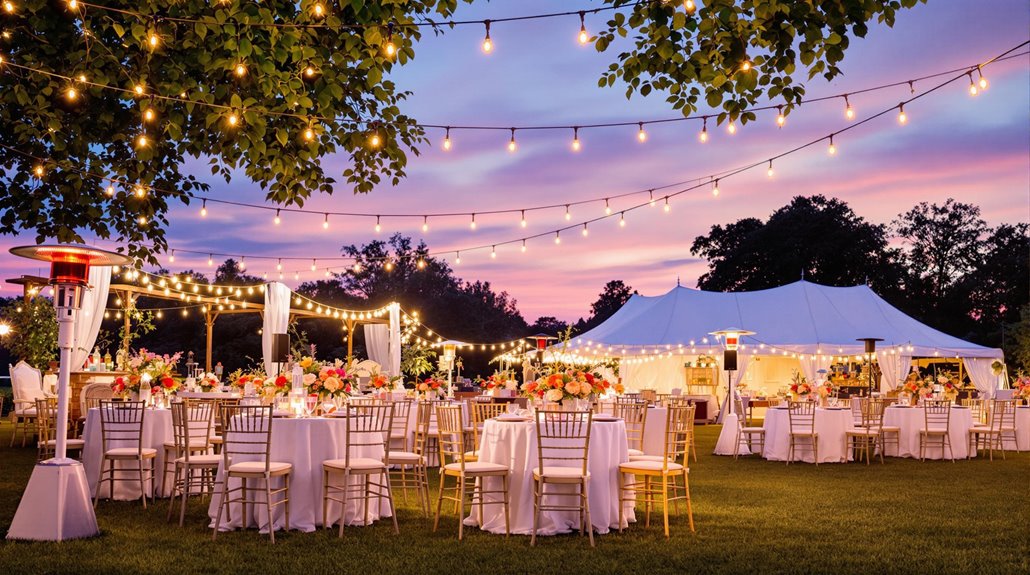
You might worry that renting event equipment is just throwing money away, but let’s explore the practicality of both renting and buying. Consider how often you’ll use the equipment and your budget constraints. Rentals can offer immediate savings and hassle-free logistics, but owning might suit frequent events better. Think about flexibility, storage, and upkeep. Which option aligns with your strategic growth plans? There’s more to uncover about this decision-making process.
TL;DR – (Too Long; Didn’t Read)
- Renting spreads costs over multiple events, while buying requires a significant upfront investment.
- Renting includes insurance, minimizing unexpected costs, whereas purchasing necessitates separate coverage.
- Owning equipment offers financial stability and long-term savings for frequent events.
- Renting eliminates storage needs and provides access to advanced, updated technology.
- Equipment ownership improves control over availability, condition, and long-term planning.
Evaluating Event Needs and Frequency of Use
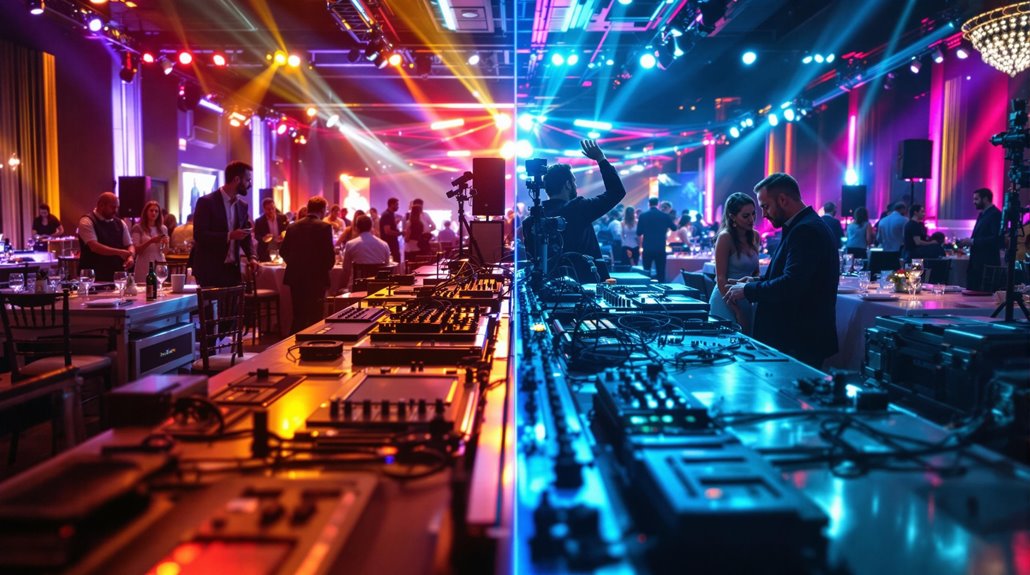
When planning an event, it’s essential to assess your specific needs and how often you’ll use the equipment. Start by evaluating the venue size and attendee capacity to determine the scale of equipment required. A small venue with limited attendee capacity might only need basic sound systems and minimal lighting, whereas larger venues will demand more sophisticated setups. Consider how frequently you’ll host events of similar scale. If it’s a one-time affair, renting might be more practical. However, for frequent events, purchasing could offer long-term savings. Factor in storage and maintenance logistics, ensuring you have adequate space and resources. For example, hiring experienced DJs like those from Regina’s Rhinos Lighting & Sound can ensure that your event has the perfect music mix and lively atmosphere. Embrace innovative solutions that enhance efficiency without compromising quality, aligning your equipment choices with your event’s unique demands and future aspirations.
Budget Considerations and Financial Implications

After evaluating your event needs and frequency of equipment use, it’s time to turn your attention to budget considerations and financial implications. Prioritize these financial elements to maximize your resources:
- Insurance Costs: Renting often includes insurance, sparing you unexpected expenses. If purchasing, factor in this ongoing cost to protect your investment.
- Depreciation Value: Equipment quickly loses value post-purchase. Consider how depreciation impacts your long-term financial strategy and potential resale value.
- Initial Outlay vs. Recurring Costs: Buying demands a significant upfront investment, while renting spreads costs over time. Weigh immediate budget constraints against future cash flow.
Adding interactive photo booth services to events can create memorable experiences without incurring the full cost of purchasing equipment.
Flexibility and Storage Solutions
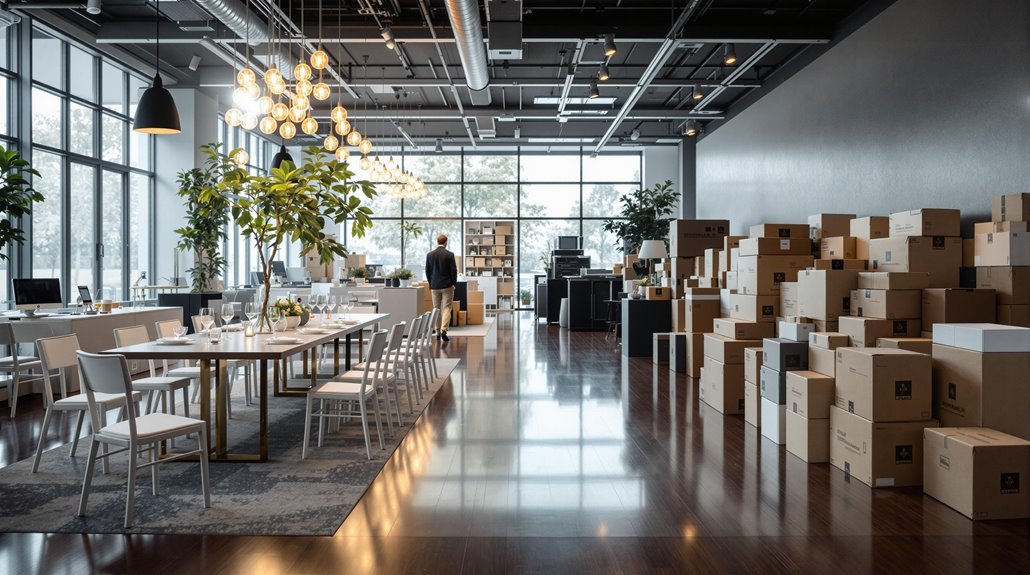
Although owning event equipment grants you full control, renting offers unmatched flexibility and simplifies storage concerns. When you rent, you gain access to modular arrangements that adapt to your event’s specific needs, allowing for easy customization without hefty investments. Portable solutions mean you can effortlessly transport and set up equipment, saving time and reducing logistical headaches. Instead of worrying about storage space for bulky items, renting lets you return everything post-event, freeing up valuable resources. Consider the dynamic nature of events; you can switch up themes and sizes by selecting different setups each time. This adaptability ensures you’re always on-trend and equipped to impress. Embrace the innovation of rental options and streamline your event planning process while maintaining a budget-friendly approach. Renting also allows you to take advantage of state-of-the-art sound systems and lighting designs for a memorable experience at events.
Quality and Availability of Equipment
Renting event equipment not only offers flexibility but also guarantees access to high-quality items that might otherwise be cost-prohibitive to purchase. By renting, you’re tapping into a pool of equipment equipped with advanced technology, ensuring your event stays ahead of the curve.
Here’s why renting stands out:
- Advanced Technology: Rental companies frequently update their inventory, allowing you access to the latest tech without the hefty price tag of ownership.
- Brand Reputation: Choose from top-tier brands renowned for reliability and performance, enhancing your event’s professional image.
- Availability: Rental services ensure equipment availability, even during peak seasons, streamlining your logistics and reducing last-minute stress.
Additionally, equipment maintenance and rental insurance coverage are often included in rentals, ensuring reliability and safety throughout your event. These aspects make renting an innovative, budget-conscious choice for quality event execution.
Maintenance and Upkeep Responsibilities
When you choose to rent event equipment, you sidestep the burdensome responsibilities of maintenance and upkeep. Instead of managing detailed cleaning schedules, you can focus on more innovative aspects of your event. Rental companies handle all equipment maintenance, ensuring each piece is in prime condition. They keep track of spare parts, meaning you won’t need to worry about unexpected repairs or last-minute replacements. This logistical advantage saves you time, money, and unnecessary stress. By renting, you’re free from the financial burden of ongoing maintenance costs, allowing you to allocate your budget towards other creative elements of your event. Embrace this cost-effective solution and concentrate on delivering an unforgettable experience while leaving the maintenance to the experts. Additionally, Regina DJs Photo Booth Entertainment offers hassle-free delivery, setup, and teardown, ensuring seamless execution for your events.
Customization and Personalization Options
While rental companies take care of maintenance and upkeep, you gain the freedom to explore customization and personalization options for your event. Renting allows you to tailor your event with themed decorations and branding opportunities without the hefty costs of ownership. Here’s how:
- Themed Decorations: Choose from various themes—be it a vintage gala or a futuristic conference—rental companies offer diverse options that suit your vision.
- Branding Opportunities: Use rented equipment to prominently display your brand through custom banners, backdrops, or branded stages, enhancing your event’s impact.
- Flexible Adjustments: As needs shift, renting allows you to adapt, ensuring seamless logistics and cost-effective solutions without sacrificing quality.
Environmental Impact and Sustainability
Considering the environmental impact of your choices can markedly enhance your event’s sustainability. Opting to rent instead of buy not only cuts costs but also supports recycling initiatives. Renting allows you to access eco-friendly materials that are reused multiple times, minimizing waste. This innovative approach promotes a greener event, aligning with your goal of sustainability.
| Benefit | Description |
|---|---|
| Cost Efficiency | Renting reduces the need for new production, saving resources. |
| Waste Reduction | Reuse of equipment minimizes landfill contributions. |
| Sustainable Practices | Supports vendors that prioritize recycling initiatives. |
| Access to Innovation | Stay ahead with eco-friendly materials designed for longevity. |
Vendor Relationships and Reliability
Choosing to rent event equipment aligns with sustainability goals, but it’s also important to focus on vendor relationships and reliability.
A strong vendor reputation ensures you receive quality equipment and services, which can make or break your event.
Here’s how you can evaluate this vital aspect:
- Research Vendor Reputation: Check reviews and ask for referrals. An innovative supplier with a solid track record will likely deliver exceptional service.
- Assess Supply Consistency: Confirm that the vendor can consistently meet your needs. Uninterrupted supply is key to a seamless event experience.
- Communicate Logistics Clearly: Discuss delivery and setup details. A dependable vendor will work with you to ensure timely and efficient execution.
Long-term Planning and Investment Benefits
If you’re weighing the decision between renting and buying event equipment, consider the long-term financial and logistical benefits of investing in your own gear. Owning equipment aligns with theoretical frameworks that emphasize cost-efficiency over time.
Once you surpass the initial investment, ongoing expenses decrease, allowing for a predictable budget. This foresight is crucial for adhering to industry standards of financial planning.
Furthermore, owning your gear means you control its availability and condition, reducing logistical hurdles. You can innovate by customizing equipment to suit your unique needs, providing a competitive edge.
Evaluate the frequency of your events and future growth plans. By planning strategically, you can transform your equipment into valuable assets that support your evolving business model and operational agility.
Common Questions
How Does Renting Affect Event Insurance Policies?
Renting can lower your insurance premiums because rental companies often include liability coverage. This reduces your risk, making your event insurance more affordable. Explore innovative rental options to efficiently manage logistics and stay budget-conscious.
Are There Tax Benefits for Renting Event Equipment?
When renting event equipment, you might find tax deductions more immediate compared to depreciation benefits from purchasing. Renting simplifies logistics and keeps your budget nimble, appealing to those seeking innovative, cost-effective strategies for event management.
What Are the Potential Legal Liabilities of Renting?
Charting the rental landscape is like steering a ship through stormy seas. You must address liability concerns and understand contractual obligations. Make certain the contract’s clear on damages, insurance, and responsibilities to avoid unexpected financial squalls.
Can Rented Equipment Be Used Internationally?
Yes, you can use rented equipment internationally, but navigate international logistics carefully. Confirm the equipment meets international standards and verify compatibility. Plan for additional costs like shipping, customs, and insurance to maintain a budget-conscious approach.
How Does Renting Impact Event Branding Consistency?
Like a painter using different brushes, renting can challenge branding consistency. You might face visual uniformity issues since equipment varies. However, with careful vendor selection and planning, you can maintain cohesion while staying budget-conscious and logistics-focused.
Summary
When deciding between renting and buying event equipment, consider that renting can reduce costs by up to 30% for infrequent events. You’ll avoid storage and maintenance hassles, staying up-to-date with the latest gear. However, if hosting frequent events, buying could save money long-term, offering control and customization. Always weigh your budget, event frequency, and growth plans. Building strong vendor relationships ensures reliability, and don’t forget the environmental benefits of renting, which minimizes waste and resource use.