
Blog

Creating a Signature Sound for Your Venue
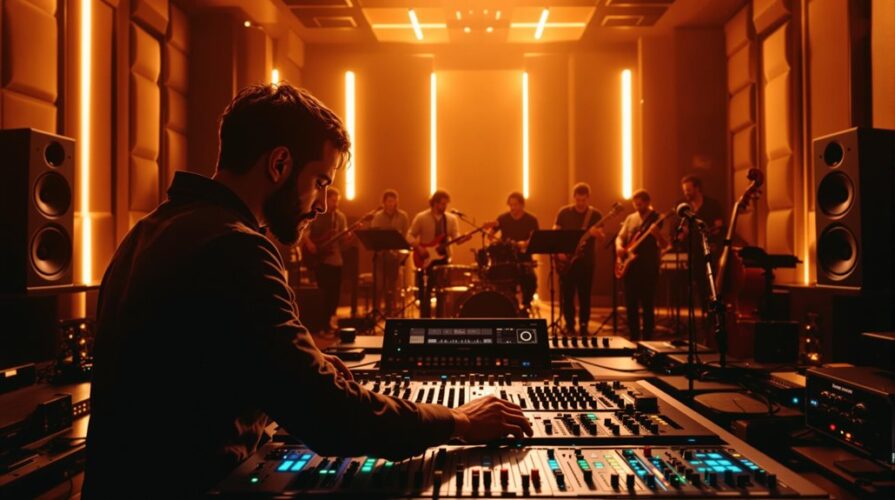
A venue’s music should feel like a natural extension of its identity — not an afterthought or background noise. For bar, lounge, pub and club owners in Regina and Southern Saskatchewan, creating a signature sound means thinking beyond playlists: it’s about programming that matches guest flow, speaker placement and volume strategies that preserve conversation, and a reliable local partner who understands the market. This guide walks through practical steps to turn music into a recognisable part of the guest experience. You’ll get advice on planning, common acoustic pitfalls in Prairie buildings, equipment decisions, scheduling tactics for busy weekends, and how to evaluate service options so music supports sales and atmosphere without overpowering either.
Why a signature sound matters for your venue
A signature sound helps guests form an emotional connection and remember your venue. It’s the difference between a night people forget and a night they tell friends about. Beyond mood, music affects dwell time, perceived price-value and guest behaviour. For a Regina crowd, that could mean leaning into prairie-friendly indie on weeknights, curated throwbacks for late-night dance, or a softer lounge mix for quieter afternoons. When you intentionally shape music — from volume curve to genre transitions — you control more of the guest journey and create consistent nights that staff can build promotions and experiences around.
Start with guest flow and venue identity
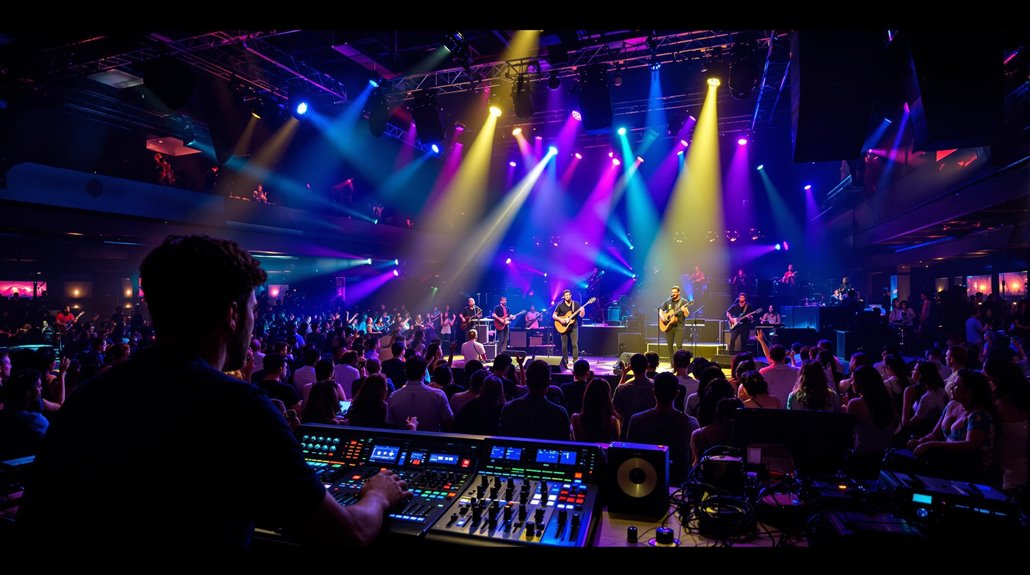
Begin by mapping how people move through your space: arrivals, bar areas, seating sections, dance floor and patios. Music should support each zone rather than fight it. For example, speakers near dining tables should preserve intelligibility; the bar zone can be slightly more energetic to encourage ordering. Identify peak moments — last call, DJ set changeover, or a live act’s first chorus — and plan music energy levels that guide patrons naturally. Your venue’s identity — whether intimate lounge, high-energy nightclub, or neighbourhood pub — should be the baseline for programming decisions, helping the music feel authentic rather than generic.
When that part of the plan becomes a priority, the related club, pub, and lounge services page gives readers a clearer service-level next step without forcing the rest of the article into a sales pitch.
Programming vs playlists: what DJs bring to the table
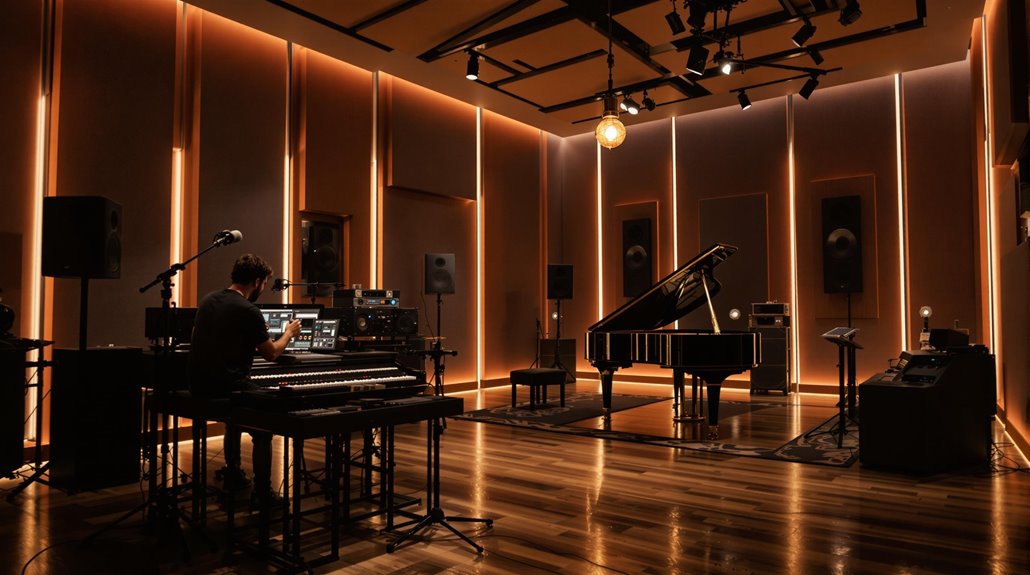
A static playlist is a start, but intentional programming adapts to the room in real time. Professional DJs read the crowd, manage tempo, and use seamless transitions to prevent energy crashes. That adaptability matters in Regina where crowd size and demographics shift with university calendars, rough-weather weekends and local events. Programming might include tempo maps for the night, designated transition tracks, and planned peaks that align with service patterns. Consider services like Plug & Play Nightclub DJs for nights that need reliable mixes without full in-house staffing, or invest in a regular DJ relationship for nuanced, venue-specific service.
Acoustics and sound reinforcement: plan for your space
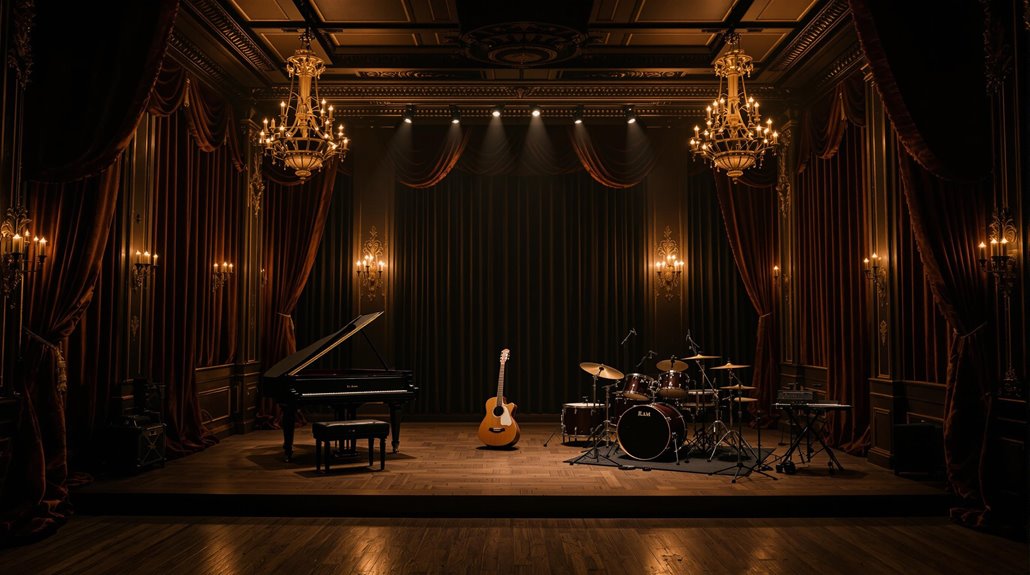
Prairie buildings often have hard surfaces and high ceilings that create troublesome reflections and muddied bass. Improving clarity starts with speaker placement and sound reinforcement that matches room size. Use directional speakers to target listening zones and avoid blasting speakers toward glass or parallel walls. For venues with multiple rooms or patios, consider separate zone control so volume and playlists fit each space. Small investments in speaker angles, subwoofer placement, and basic acoustic treatments can make a larger system sound far better without increasing SPL.
When evaluating upgrades or rentals, prioritise systems designed for live or DJ-driven nights and scalable setups that won’t overwhelm during softer hours. If you’re comparing options, look at real-world demos and ask for references from similar-sized Regina venues. A thoughtful sound reinforcement plan keeps staff less stressed, protects neighbours with controlled spill and makes your music feel intentionally engineered rather than arbitrarily loud.
For readers comparing practical options, Plug & Play Nightclub DJs is a useful next page because it keeps the planning path connected to the specific service being discussed.
Equipment and layout advice for bars, lounges and clubs
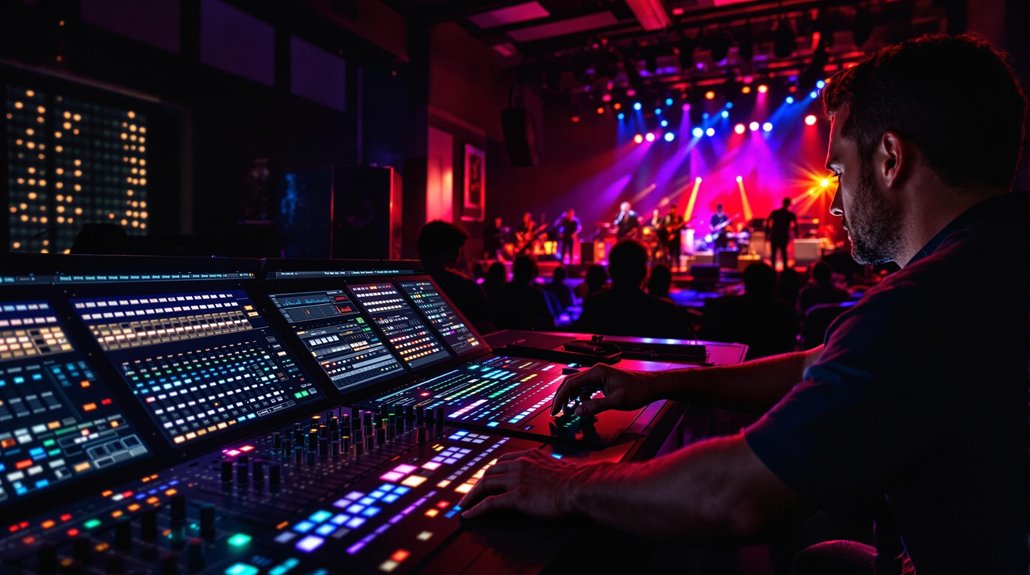
Right-sized equipment balances fidelity and flexibility. Smaller lounges benefit from compact powered speakers and a simple mixer with zone outputs; clubs need higher-output systems, robust sub coverage and a dedicated monitor mix for DJs or live acts. Back-of-house layout matters: keep signal paths short, house your DJ station or controller in a secure, accessible position, and plan cable runs to reduce trip hazards. For venues that run a mix of live bands and DJs, choose front-of-house processors with quick presets to switch between configurations smoothly.
Consider rental or modular systems if your calendar varies. When comparing packages — for instance, bar and lounge DJ packages compared — check what’s included: number of speakers, subwoofers, technician support and transportation. Clear, local support is invaluable when equipment fails or weather affects outdoor areas.
Scheduling, tempo maps and weekend tactics
Think of your music program like a day’s menu: softer options for afternoons, steady builds for evening service, and peak-time energy when your busiest hours hit. Create a tempo map that outlines BPM ranges for each service block; this helps DJs maintain predictable energy and prevents abrupt drops. For weekends and special events, plan transitions at times that align with service peaks—between dinner and late-night, for instance—to help staff manage orders and seating. Keep a buffer for crowd-driven changes; the best nights are flexible rather than strictly timetabled.
Local patterns matter: university term dates, Regina trade events and seasonal festivals influence who comes out and when. Adjust bookings and programming to match anticipated crowds; lean on community calendars and your staff’s experience to refine the schedule over time.
If the event needs that extra layer of support, reviewing bar and lounge DJ packages compared can help connect the idea in this section to a real local service option.
Common mistakes to avoid
A few recurring missteps undermine otherwise great venues. One is treating sound as an afterthought during renovations; speaker positions are easiest to address when you’re planning layout. Another is equating louder with better — consistent, well-distributed sound is more comfortable and profitable. Avoid too many competing sources (e.g., TVs, speaker zones playing different material in the same earshot ), and don’t ignore staff feedback about intelligibility and volume. Finally, don’t assume one-size-fits-all programming works every night; regular evaluation and small changes keep the music fresh and aligned with real attendance patterns.
Choosing the right partner in Regina
When you look for an outside supplier, consider local experience and service breadth. A partner who supports weddings, corporate events, and club nights understands different dynamics and can apply that knowledge to your venue. Ask about hands-on support, technician response times and how they handle calibration and on-site problem solving. Review packages and not just price: compare what’s included, from setup and teardown to sound checks and emergency support. Resources that explain why hiring professional DJs makes a difference can help justify the investment.
Explore options that match your operating model — some venues prefer plug-and-play solutions for occasional dance nights, while others need a resident approach with regular DJ rotations. Review offerings such as Plug & Play Nightclub DJs and club, pub, and lounge services to see which style aligns with your staffing and budget. Local references and test nights are valuable; seeing a system in action at a comparable Regina location tells you more than specs alone.
For a deeper look at that related need, sound reinforcement gives the reader a focused place to continue without stacking unrelated links together.
Frequently Asked Questions
How much should I budget to build a signature sound for a small lounge in Regina?
Budget varies by room size and goals. For a small lounge, plan for a modest speaker system, mixer, and acoustic treatment — a realistic range might cover basic sound reinforcement through to a mid-range install, plus occasional technician fees. If you’re adding regular DJ nights, compare plug-and-play options versus hiring pro DJs; the latter often includes programming, crowd reading and setup. Always account for installation, calibration and a small contingency for adjustments after a few nights of feedback.
Can I use a single playlist and still have a distinctive sound?
A single playlist can establish a mood, but it rarely adapts to real-time crowd shifts. Distinctive sound is more reliably achieved through curated programming and dynamic level control. A professional DJ or programmed set will adjust tempos, insert transition tracks and react to crowd energy, which results in a more cohesive and memorable night. If you must rely on playlists, create multiple lists for different service blocks and keep monitoring attendance and guest response to refine choices.
What acoustic fixes work best in older Regina buildings?
Older buildings often need absorption to tame reflections. Target high-energy reflection points like parallel walls, glass surfaces and exposed ceilings with discreet acoustic panels, heavy drapery or strategically placed baffles. Subwoofer placement is critical to avoid booming corners; try centralised subs or cardioid arrangements for larger rooms. Speaker directionality also helps keep sound focused. A local provider can assess issues on-site and propose solutions scaled to budget and heritage constraints.
How do I evaluate DJs and entertainment vendors for my venue?
Ask for samples of nights they’ve run at similar venues, references from other Regina operators, and clarity on what’s included: setup, sound checks, time on site and contingency plans. Evaluate their approach to programming, crowd reading, and communication with staff. If comparing packaged offers, check technical specs for sound reinforcement and whether a technician is provided. A transparent partner will explain how they handle transitions, late-night pivots and equipment failures without promising outcomes they can’t control.
Practical next steps to craft your venue’s sound
Start by auditing one night as if you were a guest: note arrival ambience, conversation zones, and where music helps or hinders. Use those observations to prioritise fixes — speaker placement, a tempo map or a regular DJ slot. When vetting vendors, focus on local experience, clear equipment lists and references from similar Regina establishments. Small, deliberate changes often yield the best returns: consistent programming, sensible sound reinforcement and a partner who understands your business can turn music into a recognisable asset rather than background noise.