
Blog

Creating Inclusive Events With Adaptive Lighting
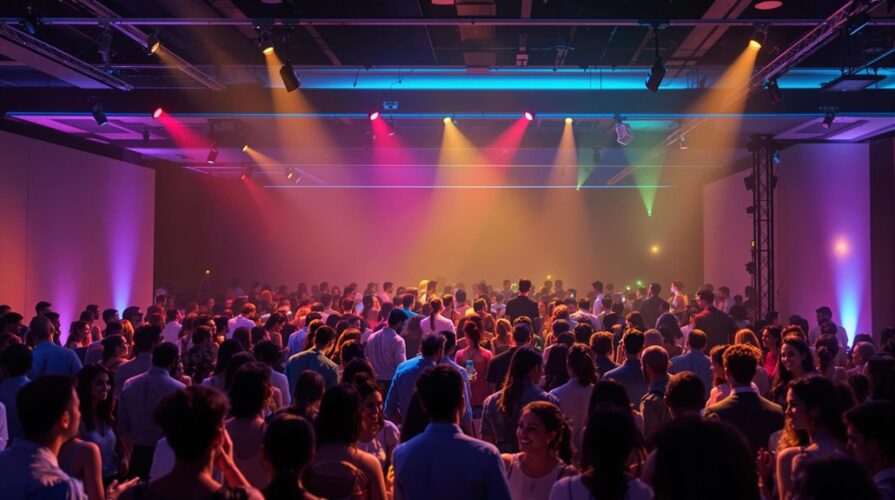
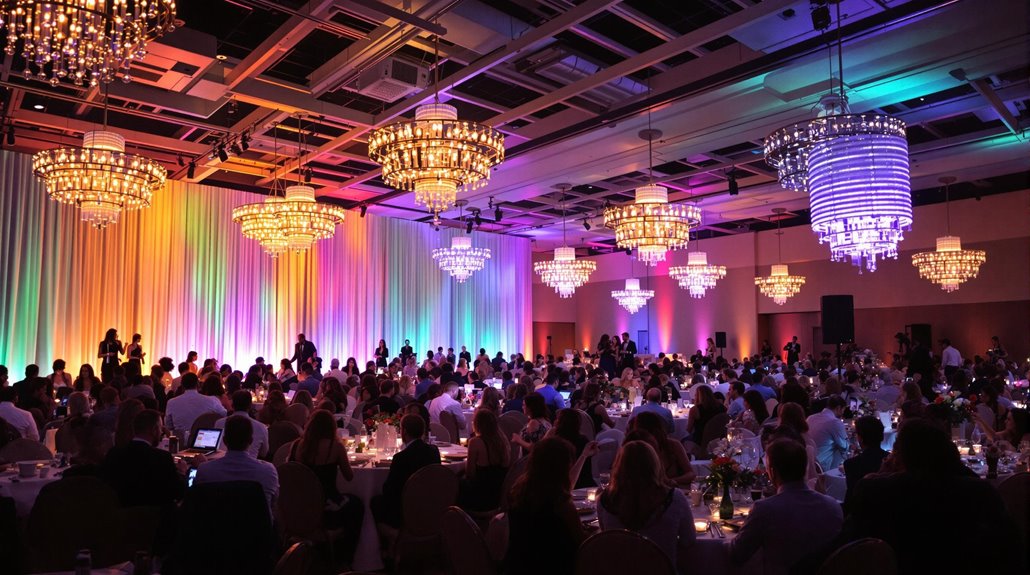
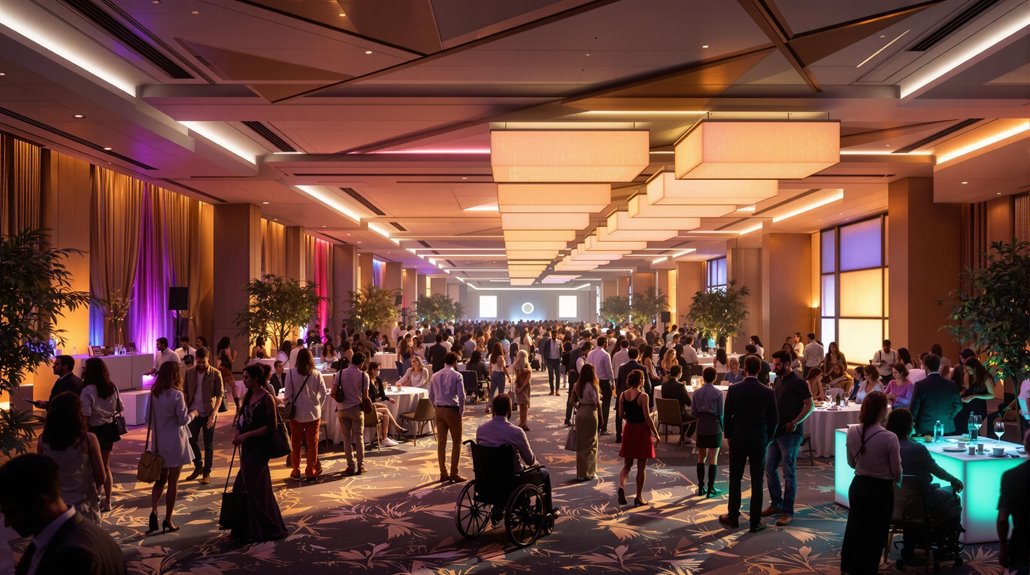
Imagine hosting an event where everyone truly feels welcome and at ease. By incorporating adaptive lighting for inclusive events, you can create environments that cater to diverse sensory needs. With smart controls and adjustable LED solutions, you have the power to design spaces that reduce overstimulation and enhance comfort. Picture zones where attendees select their preferred lighting, promoting engagement and accessibility. Curious about how to implement these ideas effectively?
Understanding the Impact of Lighting on Accessibility
When planning an inclusive event, it’s vital to recognize how lighting can affect accessibility for all attendees. You need to take into account neurodiverse environments, where individuals might have varying sensitivities to light. Prioritize visual comfort by avoiding overly bright or flickering lights, which can disrupt focus and cause discomfort. Aim for a balanced illumination that promotes engagement and ease. Consider the placement and intensity of lights to ensure they’re not overwhelming. Utilize diffused lighting options to create a calm atmosphere, allowing all participants to feel at ease. Task-specific lighting can also help attendees navigate spaces confidently. By thoughtfully designing the lighting setup, you foster an environment where everyone can thrive. Embrace innovation in your planning to create events that are truly inclusive. Incorporating lighting and decor services can enhance the atmosphere while maintaining a comfortable and accessible environment.
Adaptive Lighting Technologies and Solutions
How can you leverage adaptive lighting technologies to enhance inclusivity at your events? Start by integrating smart controls into your lighting setup. These systems allow you to adjust brightness levels and color temperature dynamically, catering to diverse needs. Imagine a conference where smart controls let attendees personalize their environment, creating a more comfortable and engaging experience for everyone. Explore solutions that offer a wide range of color temperatures, from warm, soothing hues to bright, energizing tones. These options enable you to tailor the ambiance to suit various activities and preferences. Additionally, consider the benefits of incorporating adaptable dance floor lighting for sensory-sensitive events that provide clear, immersive experiences.
Designing Events for Sensory Sensitivities
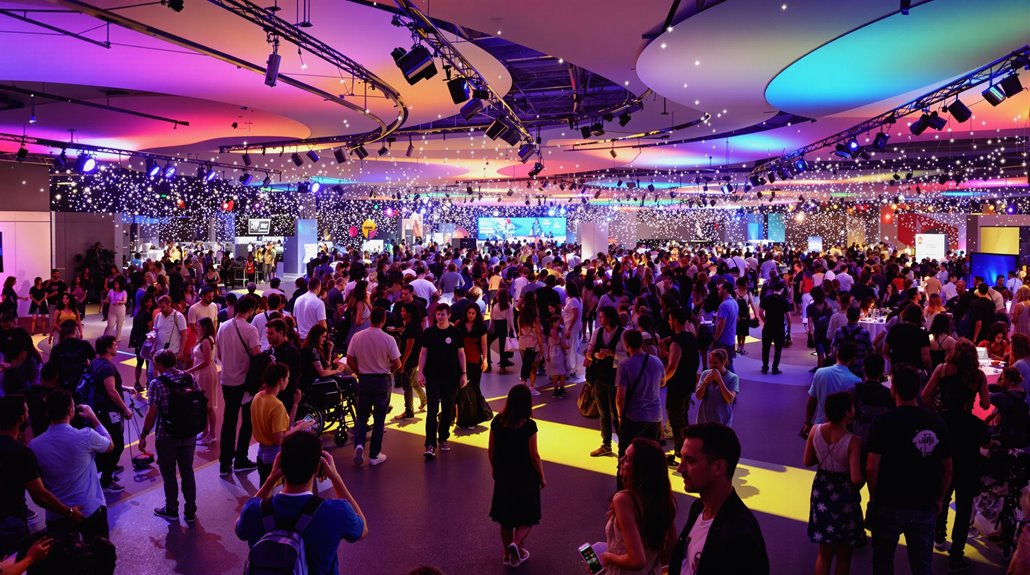
Creating an event that is truly inclusive means considering the diverse sensory needs of your attendees. Adaptive lighting plays a crucial role in this. For individuals with light sensitivities, harsh or rapidly changing lights can be disorienting or even painful. By implementing systems that allow for subtle changes in brightness and color, you can create a more comfortable and welcoming environment. This might involve using warmer color temperatures, reducing overall light intensity, or providing designated quiet zones with softer illumination. The goal is to minimize potential triggers and maximize comfort, ensuring everyone can enjoy the event without feeling overwhelmed.
| Sensory Need | Adaptive Lighting Solution | Benefit |
|---|---|---|
| Light Sensitivity | Adjustable brightness and warmer color temperatures. | Reduces discomfort and overstimulation. |
| Visual Impairment | Increased contrast and targeted illumination. | Improves visibility and navigation. |
| Anxiety/Stress | Calming color schemes and diffused lighting. | Creates a relaxed and welcoming atmosphere. |
Integrating Adaptive Lighting Into Event Planning
Integrating adaptive lighting into your event planning requires a thoughtful approach. It begins with understanding your audience and the specific goals of your event. For corporate events, you might want to learn how to use lighting to transform your corporate event space to create a professional yet engaging atmosphere. Consider conducting surveys or gathering feedback from previous events to identify common sensory challenges. Work with experienced AV professionals who can advise on the best technologies and design strategies to meet these needs. This collaborative approach ensures that the lighting design is not just aesthetically pleasing but also functionally inclusive. Early planning and clear communication with your AV team are key to a successful implementation.
Practical Tips for Implementing Adaptive Lighting
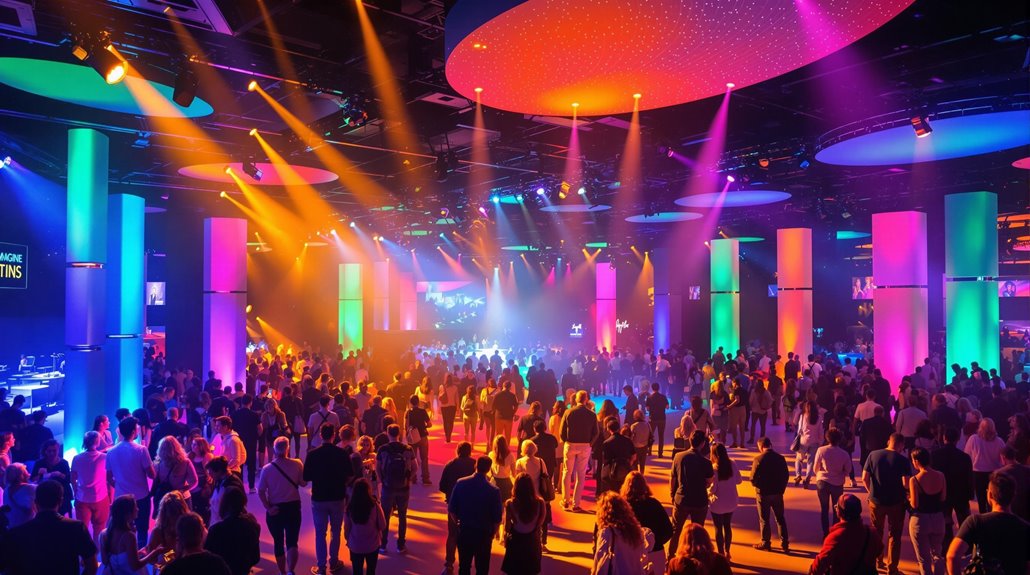
Implementing adaptive lighting doesn’t have to be overly complex. Start with these practical tips: utilize smart LED systems that offer a wide range of color and brightness adjustments. Create distinct lighting zones within your venue, allowing attendees to choose environments that suit their comfort levels. For example, a high-energy dance floor might have dynamic lighting, while a lounge area could feature softer, more consistent illumination. Consider incorporating circadian lighting, which mimics natural light patterns, to reduce fatigue and enhance well-being. Always test your lighting setup in advance to identify any potential issues. Remember, the goal is to make your event stand out with lighting while ensuring it is accessible and enjoyable for everyone.
| Tip | Description | Impact |
|---|---|---|
| Zone Lighting | Divide venue into areas with different lighting settings. | Offers choices for attendees with varying sensitivities. |
| Warm Tones | Prioritize warmer color temperatures (2700K-3000K). | Creates a more inviting and less harsh environment. |
| Avoid Strobes | Minimize or eliminate flashing or rapidly changing lights. | Prevents discomfort and potential health issues for sensitive individuals. |
Conclusion
Creating inclusive events with adaptive lighting is not just a trend; it’s a commitment to making every event accessible and enjoyable for all. By thoughtfully integrating adaptive lighting solutions, you can cater to diverse sensory needs, enhance comfort, and foster a truly welcoming atmosphere. Whether you’re planning a corporate conference, a wedding, or a community gathering, the right lighting can transform an ordinary event into an extraordinary experience. Ready to make your next event truly inclusive? Book Rhino’s Lighting & Sound online today to discuss your adaptive lighting needs and create an unforgettable experience for every guest.