
Blog

How to Engage Attendees at Galas and Benefits
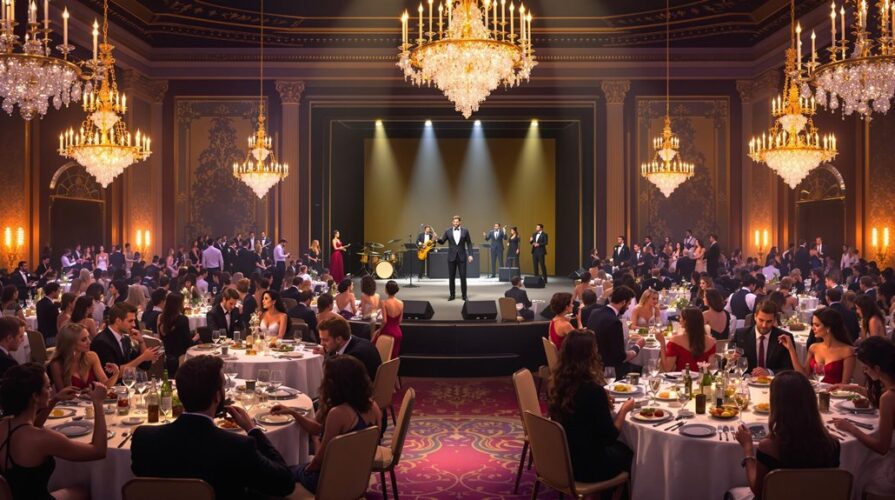
Keeping guests emotionally invested from arrival through the final appeal is the difference between a fundraiser that raises awareness and one that raises lasting support. For gala committees, corporate sponsors and charity event planners in Regina and Southern Saskatchewan, the challenge is blending programme flow, technical reliability and moments of connection so donors stay engaged rather than checking out. This guide focuses on practical, local advice you can apply to engage attendees at Regina galas and benefits: how to design an attendee journey, what AV and lighting choices matter in a ballroom or heritage venue, interactive elements that build participation, and programming tips that support the closing ask. Use these tactics to make each moment purposeful and to create an event that feels seamless, memorable and donor-friendly.
Map the attendee journey: arrival to final appeal
Start by planning the event as a sequence of experiences rather than isolated segments. Map what a guest sees, hears and does from the moment they arrive — registration, welcome reception, seating, program, appeal and post-event circulation. At each touchpoint decide whether the goal is to inform, inspire, entertain or solicit. That clarity helps you choose the right entertainment mix, AV set-up and timing. For example, keep arrival music upbeat but unobtrusive so guests can network; reserve more emotive music and lighting for video tributes and the fundraising appeal. Thinking in this flow reduces awkward pauses and keeps attention focused.
In a local context, consider travel times and winter weather when scheduling arrival windows and cocktail periods. Regina venues vary from hotel ballrooms to community halls and heritage spaces, and each needs a tailored flow. Communicate clear arrival instructions and accessible coat-checking, and use signage or a confident emcee to direct guests smoothly. Small logistical wins—fast check-in, warm greeting, visible programme guides—add up to a better emotional arc that supports your fundraising objectives.
Create a welcoming entry and pre-program engagement
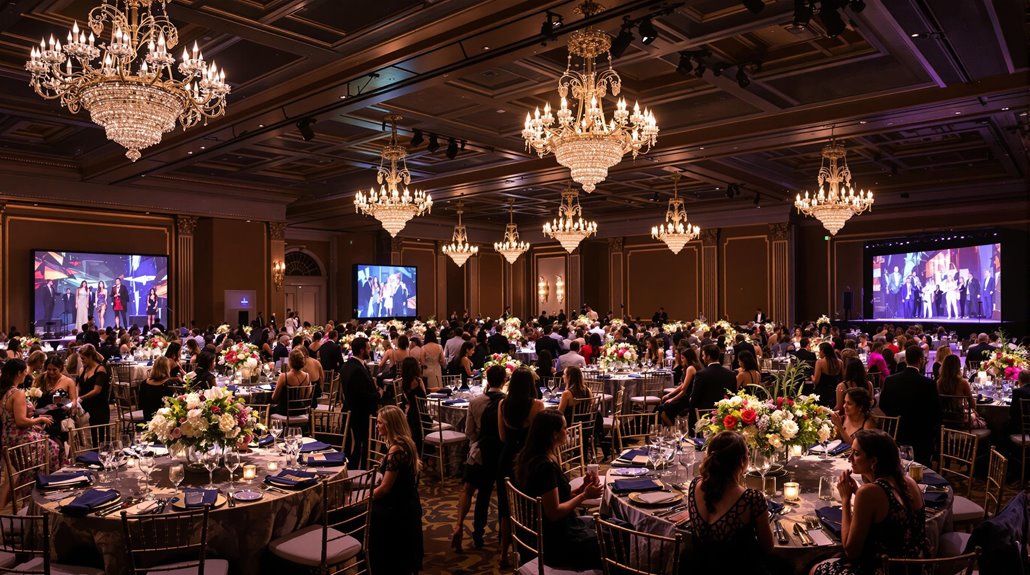
First impressions set the tone for engagement. Invest in a warm, efficient entry experience with friendly greeters, concise event materials and directional signage. Background music should be mixed to a level that supports conversation; consider live acoustic or a curated playlist that reflects your organisation’s brand but avoids polarising tracks. Provide clear, visible timelines and an outline of the evening’s highlights—if guests know there’s a compelling video or short donor story later they’re more likely to stay. Small touches like comfortable seating clusters, beverage stations and visible staff make guests feel looked after and more open to participating.
For Regina venues, ensure coat areas and mobility access are prominent and staffed—inclement weather can slow arrivals and frustrate guests. If you offer a pre-dinner reception, give it purpose: a short welcome from a host, an interactive fundraising preview, or audiovisual teasers that lead into the main program. That gentle coaxing helps convert early interest into attention for your keynote and appeal.
When that part of the plan becomes a priority, the related corporate and gala event services page gives readers a clearer service-level next step without forcing the rest of the article into a sales pitch.
Prioritise clear audio and AV for every message
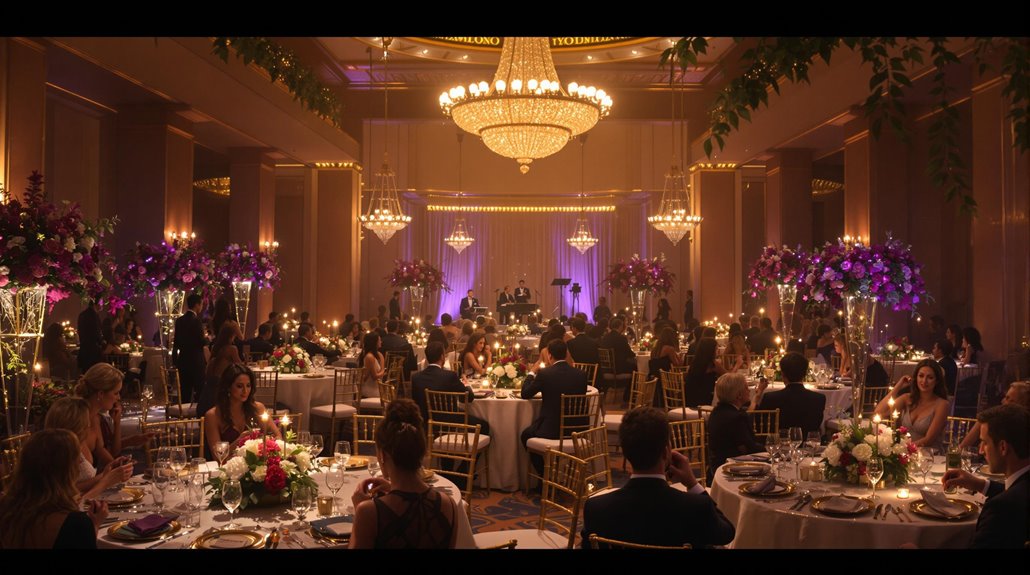
Nothing kills emotional momentum faster than inaudible speeches or poor-quality video. Prioritise intelligibility over loudness: a well-tuned PA, experienced operator and a clear stage mix ensure every thank-you, donor story and appeal is heard. Test microphones for different speaker volumes and speak styles, and schedule sound checks with any guest speakers or performers. Video content—donor testimonials, impact reels or campaign progress graphics—should be calibrated for the room size and sightlines. Use captioning for videos where possible; it improves comprehension for hard-of-hearing guests and noisy mingling periods.
Include redundancy in your AV plan: spare microphones, duplicate playback devices and a technician on-site to handle transitions. In larger multi-room or hybrid events, plan audio feeds and feeds for any live-streamed portions so remote donors and in-person guests receive a consistent experience. Clear, professional AV support helps your messages land and keeps the emotional arc intact through to the fundraising moment.
Design programming that builds emotional investment
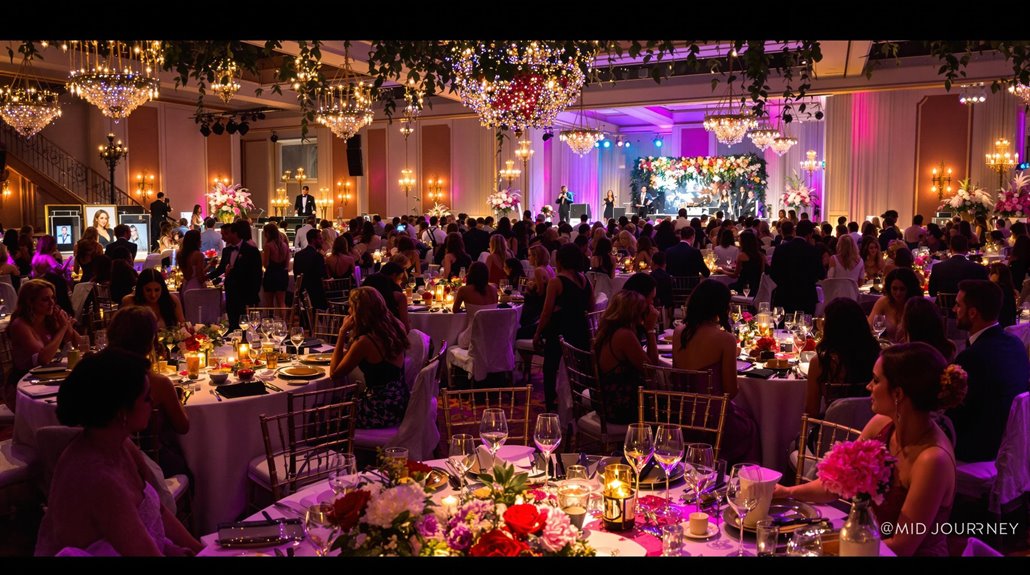
Sequence content to alternate information and emotion so attention doesn’t plateau. Open with a concise welcome and an early impact moment—short video or a frontline story—that establishes why your cause matters. Follow with a mix of short speeches, entertainment interludes and visual storytelling. Keep individual segments tight; aim for brief, powerful messages rather than long presentations. Reserve your most evocative content—personal testimonials, before-and-after visuals or a meaningful performance—for the lead-in to the fundraising appeal so those feelings are fresh when you ask for support.
Plan transitions carefully. An emcee or host who understands pacing can bridge between lighter entertainment and heavier appeals without losing momentum. Use music beds, lighting shifts and video cues to signal emotional transitions. For committees, a clear run sheet that specifies cue points, mic handoffs and AV triggers prevents dead air and ensures the appeal arrives at exactly the right emotional pitch.
For readers comparing practical options, fundraiser event services is a useful next page because it keeps the planning path connected to the specific service being discussed.
Use interactive elements to deepen participation
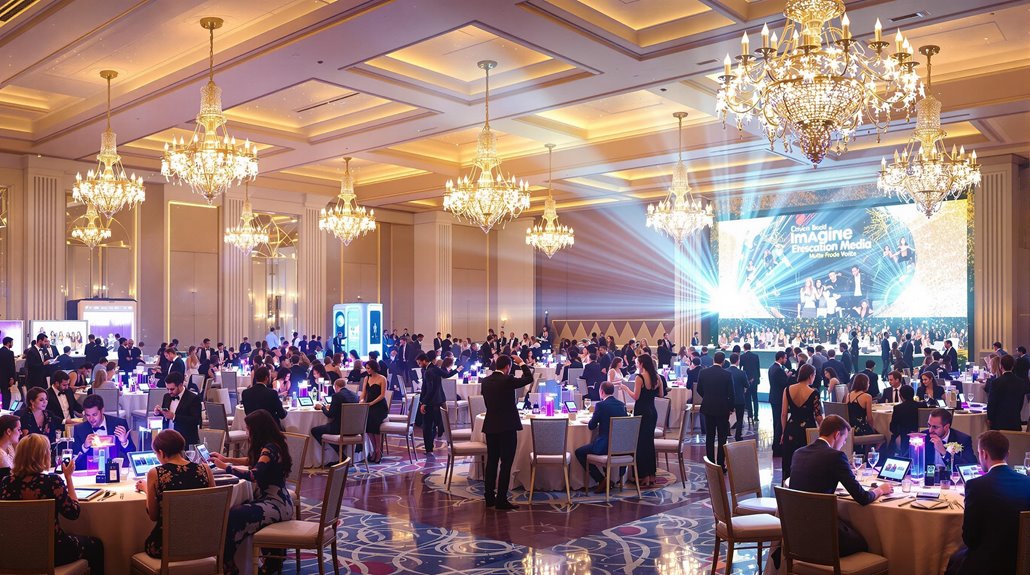
Interactivity turns passive attendance into active engagement. Silent bidding platforms, mobile pledging, live donation meters and on-screen leaderboards give guests immediate feedback and social proof that others are supporting the cause. Live polling or a short Q&A can also make attendees feel heard and invested. Consider experiential elements such as short meet-and-greets with beneficiaries, behind-the-scenes displays or a themed activity table tied to your mission; these increase dwell time and emotional connection.
Photo booths and branded content are low-friction ways to involve people and spread awareness—both in-person and online. A well-placed photo booth encourages social sharing and provides donors with a tangible memento. For planners looking to add interactive entertainment beyond traditional auctions, local offerings like Music Bingo or hosted activities tuned for fundraising audiences can broaden participation without distracting from the main appeal.
Shape atmosphere with lighting and décor that support emotion
Lighting and décor influence mood more than most planners expect. Soft, warmer colour temperatures create an intimate environment for donor stories, while dynamic uplighting and gobos can energise transitional moments. Use focused spotlights for speakers to guide attention and dim the house for video segments to heighten impact. Think beyond aesthetics—lighting cues act as nonverbal direction for the audience, signalling when to listen, when to celebrate and when to respond to the ask.
Work with suppliers experienced in gala and fundraiser settings to choose fixtures and placement that suit your venue. Whether you’re in a downtown Regina hotel ballroom or a community cultural space, consider sightlines, shadowing on video screens and fixture control during the event. Creating a memorable atmosphere at charity events means balancing ambiance with functionality so every element supports the evening’s objectives.
If the event needs that extra layer of support, reviewing creating a memorable atmosphere at charity events can help connect the idea in this section to a real local service option.
Select entertainment partners with fundraising experience
Entertainment should be a tool for engagement, not a distraction. Choose DJs, emcees and performers who understand gala pacing, donor sensitivity and how to support an ask. Look for partners who offer integrated services—sound, lighting and stage management—so transitions are smoother and responsibility is clearer. Local event professionals familiar with Regina venues can advise on acoustics, load-in logistics and municipal regulations, reducing last-minute surprises.
When evaluating talent, request sample run sheets and examples of previous fundraisers. Partners who specialise in corporate and gala event services or in fundraiser event services will be fluent in the behaviours that encourage giving: concise stage time, respectful humour, and timing that preserves emotional buildup toward the appeal. A coordinated team elevates the whole night without competing with your message.
Avoid common mistakes and plan practical backups
Frequent pitfalls include long unscripted gaps, overlong speeches, and reliance on a single AV device. Mitigate these by allocating strict time blocks, rehearsing transitions and having redundancies—backup microphones, duplicate video sources, and a stage manager to keep the programme moving. Seating arrangements also matter: avoid obstructed sightlines and provide balanced spacing so guests don’t feel isolated or overcrowded. Test all remote bidding and donation platforms in the actual venue network environment to prevent connectivity surprises.
Another common issue is late changes to the run sheet. Lock down core elements early and limit last-minute content additions. For outdoor or hybrid components, confirm weather contingencies and streaming bandwidth. Well-prepared contingency plans and a calm, experienced onsite technical lead will keep the audience engaged even when something goes off script.
For a deeper look at that related need, professional entertainment for fundraiser success gives the reader a focused place to continue without stacking unrelated links together.
Capture engagement and convert momentum after the event
The night shouldn’t be the end of your stewardship plan. Capture attendee data through registration, silent auction activity and donation platforms so you can segment follow-up communications. Send timely, personalised thank-yous referencing the moments that mattered—link to event highlights or a short impact video so donors can relive the emotional arc. Use analytics from interactive tools to prioritise high-touch stewardship and plan the next steps for monthly giving or major donor cultivation.
Measure qualitative feedback as well by surveying guests about their experience and noting what elements sparked conversation. Post-event insights not only inform future gala entertainment choices but help you refine how to engage attendees at Regina galas and benefits in ways that are meaningful to your community.
Frequently Asked Questions
How far in advance should we book audio-visual and entertainment for a Regina gala?
Book key audiovisual and entertainment partners as soon as your venue and date are confirmed—ideally three to six months before the event for typical galas. High-demand dates, seasonal corporate schedules and specialized AV requirements can fill quickly. Early booking allows you to coordinate site visits, do sound rehearsals and build redundancy into the technical plan. For short-notice events, prioritise an experienced AV technician and a compact, proven run sheet to reduce risk.
What’s the best way to keep guests engaged during the fundraising appeal?
Lead into the appeal with a brief emotional touchstone—an impact video or a short, personal testimony—then provide clear, simple giving options. Use visible donation meters or live leaderboard updates to show momentum, and have volunteers ready to follow up immediately after the appeal for questions or pledges. Keep the ask concise, specific and tied to measurable outcomes so donors understand the impact of their contribution.
Can interactive features like photo booths and silent auctions really increase participation?
Yes—when they’re integrated into the event flow. Photo booths offer a low-effort way for guests to engage and share, creating organic promotion and memorable keepsakes. Silent auction platforms that run on mobile devices simplify bidding and encourage more participation, especially when paired with live updates. Choose experiences that complement your message and make it easy for guests to act in the moment.
What venue-specific considerations matter for sound and lighting in Regina?
Regina venues vary in ceiling height, wall materials and sightlines, all of which affect acoustics and lighting. Historic buildings may have challenging reflections, while modern ballrooms can be acoustically generous but visually flat. Schedule a site visit with your AV provider to map speaker placement, screen visibility and fixture rigging. Also account for seasonal factors like daylight hours and the need for climate-controlled load-in when planning tech timelines.
Practical next steps for committees planning a successful gala
Begin by defining the emotional journey you want guests to experience, then match each segment with a technical and staffing plan that supports that feeling. Finalise your run sheet early, prioritise intelligible audio and meaningful visuals, and choose interactive elements that encourage participation without distraction. Work with local suppliers who understand Regina venues and fundraising dynamics—this reduces risk and elevates the guest experience. With careful sequencing, reliable AV and thoughtful entertainment, you’ll create an evening that keeps donors engaged from arrival right through to the final appeal.