
Blog

How to Incorporate Music Bingo Into School Fundraisers
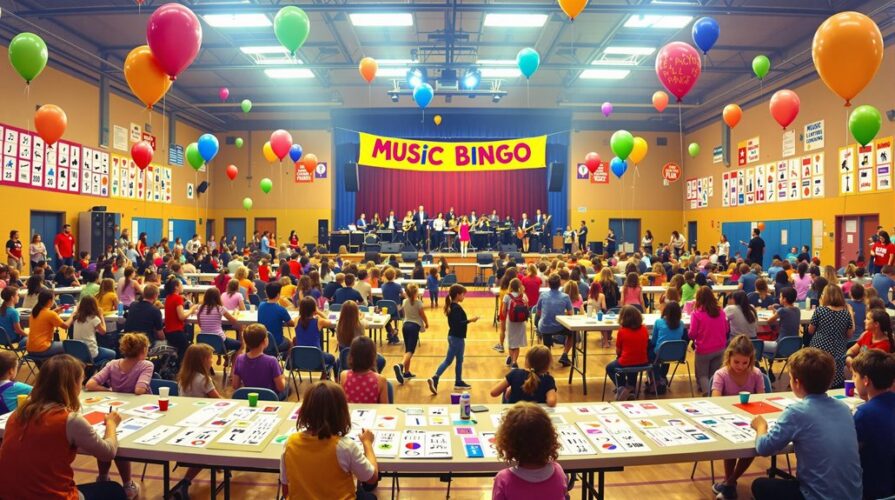
Music bingo is a simple, family-friendly fundraiser format that works especially well for schools, parent councils, sports teams and community groups in Regina and Southern Saskatchewan. Unlike trivia or silent auctions, music bingo requires little training for volunteers, keeps guests engaged across age ranges and fits into tight gymnasiums, community halls and school cafeterias. This guide explains how to plan music bingo school fundraisers in Regina with practical advice on timing, equipment, prize strategy and common pitfalls. It also covers local considerations — winter travel, venue acoustics, and how to layer fundraising elements — so organisers can run smooth, profitable events that feel fun and welcoming for families and neighbours.
Why music bingo works for school fundraisers in Regina
Music bingo blends familiar songs with a simple card-and-marker format, so guests from kids to grandparents can play together. In Regina’s community-minded neighbourhoods, events that encourage multi-generational attendance tend to sell more tickets and keep people on site longer. Music bingo keeps energy high without needing high production costs: you don’t require a formal stage or lengthy setup, and the game naturally cycles through rounds to create multiple fundraising moments, like 50/50 draws or prize basket raffles between games.
Because music bingo is not skill- or age-dependent, it’s a safe choice for school board rules and family-focused venues. It’s also easily combined with concession sales, silent auction stations or themed nights — ideas that work well when you factor in Regina’s event calendar and school schedules.
Choosing the right format and duration
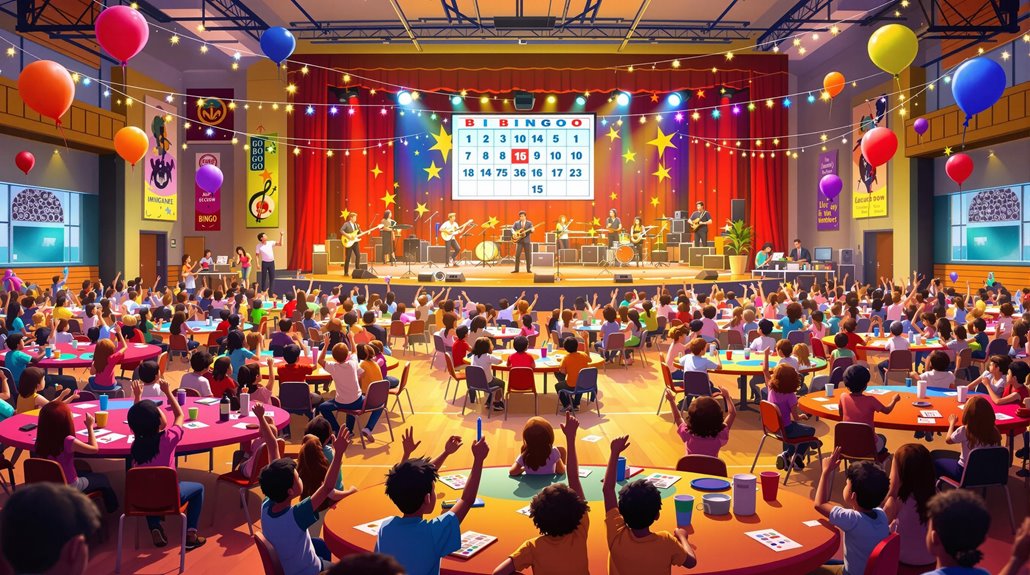
Match your event length to your audience. A school-friendly evening often runs two to three hours: enough time for several bingo rounds, intermissions and prize draws without exhausting volunteers or families. For straightforward planning, consider packaged options designed for these time blocks — single-hour add-ons for short slots, two-hour game sets for standard evenings, or three-hour setups for larger community nights. These standard lengths simplify budgeting, timing and volunteer scheduling, and give guests a predictable event flow.
If you plan additional activities — bake sales, silent auctions or a sports-team showcase — map those into your run-sheet so music bingo is the anchor, not the filler. This ensures steady participation through the night and helps you decide whether to book a one-hour add-on or a longer package.
When that part of the plan becomes a priority, the related fundraiser event services page gives readers a clearer service-level next step without forcing the rest of the article into a sales pitch.
Venue and equipment considerations
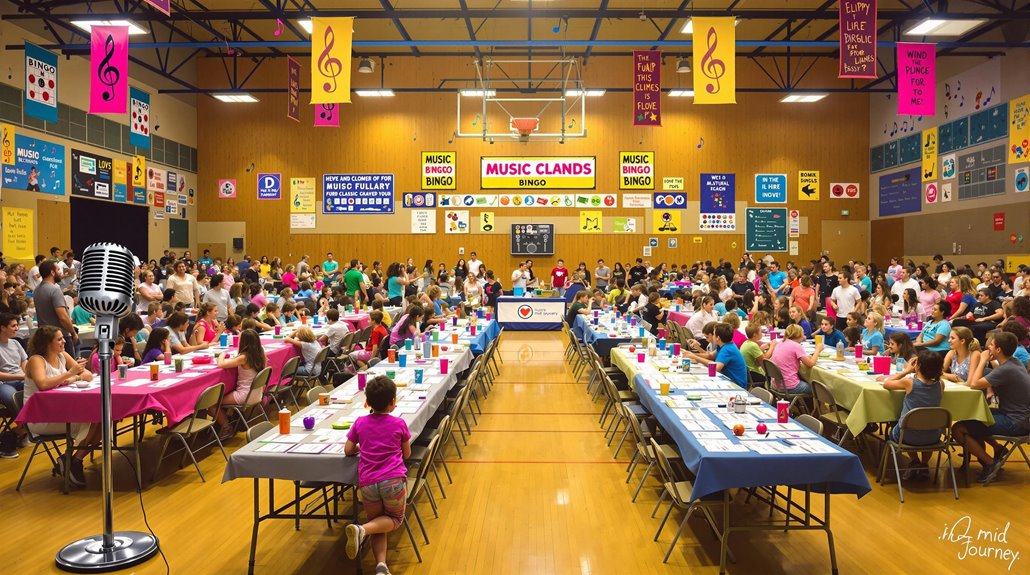
Think about acoustics and space: school gyms are loud and reflective, while community halls are smaller and more controlled. A reliable sound system and a hosted DJ make the music clear and the rules easy to follow. For larger crowds you’ll want a PA with a mic for announcements; for smaller events a compact setup with clear speakers works fine. Portable lighting and a simple stage area help focus attention without needing complex rigging. Account for power access, a table layout for cards, and clear sightlines so players can hear and see the host cues.
Also plan for load-in and setup time — Regina venues often have strict booking windows — and check whether your site provides chairs, tables and storage. If you expect to serve food, confirm municipal regulations and ventilation, especially in winter when indoor capacity and comfort matter more.
Designing the event flow and schedule
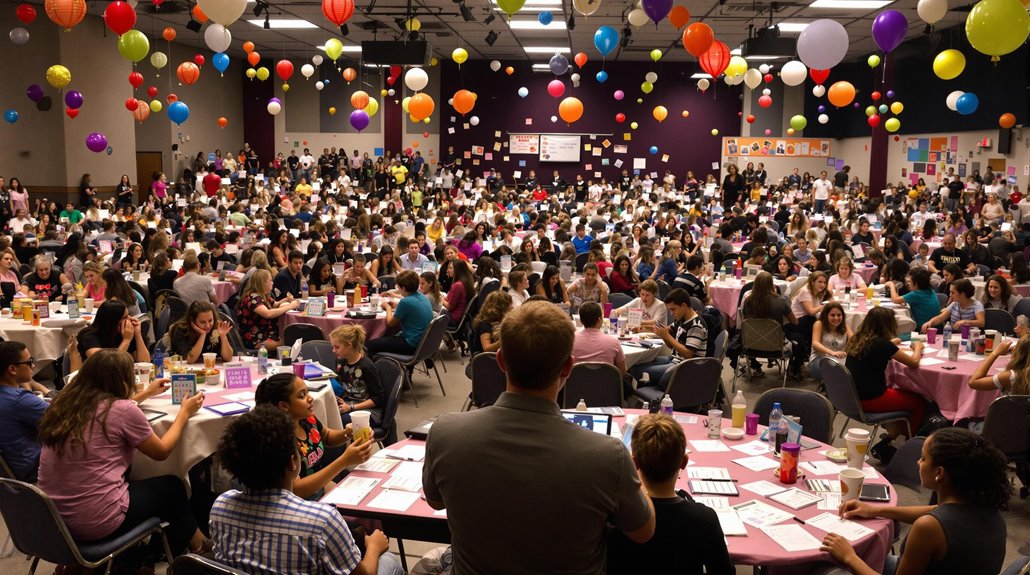
A tight run-sheet keeps a fundraiser on track. Typical flow: doors open and concessions run for 30 minutes, welcome announcements and first game begin, then alternate game rounds with short intermissions for prize draws and concession breaks. Allow time for volunteer switchovers and for announcing winners clearly. Host energy and pacing are crucial — a lively, clear-hosted flow keeps players engaged between games and boosts concession and raffle sales.
Prepare contingency timing for slow starts or extended prize announcements. Communicate clear start times on tickets and reminders so families arrive early, and always schedule a final round that ends before venue curfew to avoid rushed closures.
For readers comparing practical options, two-hour music bingo game with sound system is a useful next page because it keeps the planning path connected to the specific service being discussed.
Ticketing, prizes and fundraising mechanics
Decide your revenue mix early: cover charge per person, card packages, 50/50 draws and raffle baskets all do well together. Price cards and packages to encourage multi-card purchases — bundles increase revenue and make the game more competitive and fun. Prizes should be tempting but appropriate for a family audience: themed gift baskets, school-branded items, or donated gift certificates from local businesses. Clear ticketing tiers (adult, child, family ) and online pre-sales help predict attendance and reduce lineups at the door.
A straightforward prize distribution plan and visible signage for secondary fundraising (raffles, concession pricing) reduce confusion. Keep financial tracking simple with a volunteer assigned to reconciliation and a labelled float for cash handling; this speeds up transitions and limits errors during the night.
Making the game family-friendly and accessible
Music selection and hosting style set the tone. Use kid-friendly versions of songs and family-safe language to create an inclusive atmosphere for schools and parent groups. Offer large-print or accessible cards, seating options for seniors, and clear instructions at the start of each round. Quiet areas for families with young children or those who prefer less stimulation can increase attendance because parents know there’s a comfortable space.
Consider timing in relation to school-age bedtimes and local transit or parking constraints. If you plan to host in winter, communicate warm clothing recommendations and drop-off options — these small details improve attendee experience and community goodwill.
If the event needs that extra layer of support, reviewing three-hour music bingo game with sound system can help connect the idea in this section to a real local service option.
Common mistakes to avoid
Underestimating setup time, sound needs or volunteer roles is a frequent issue. Without a clear assignment list for ticketing, concessions and game control, bottlenecks form quickly. Avoid overcomplicating the rulebook; music bingo wins because it’s simple. Also don’t rely solely on volunteers for technical tasks like sound mixing — a steady hosted performance keeps the night moving and reduces stress on organisers.
Another common error is weak prize promotion. If guests can’t see or hear what they’re playing for, urgency and participation drop. Display prizes and announce donor recognition regularly to keep excitement high and show community support for your cause.
Booking a professional vs running it yourself
Deciding whether to hire a professional host comes down to risk and capacity. A professional provides reliable sound, clear hosting and an experienced run-sheet, freeing volunteers to run concessions and donations. For groups with limited volunteer time or who want a polished experience, professional entertainment for fundraiser success can make the evening smoother and often increases guest satisfaction.
Smaller events or experienced volunteer teams may choose a DIY approach, using a simple sound system and pre-made playlists. If you go DIY, invest in a test run and a clear list of tech and volunteer responsibilities so the event doesn’t rely on last-minute problem solving. For flexible options, consider single-hour DJ add-ons or packaged two- and three-hour games to match your event scale.
For a deeper look at that related need, one-hour music bingo DJ add-on gives the reader a focused place to continue without stacking unrelated links together.
Frequently Asked Questions
How many people should we expect at a typical school music bingo night in Regina?
Attendance varies by school size and promotion, but community nights with strong parent-council promotion typically draw anywhere from 50 to several hundred people. Weeknight family events often see steady early attendance with peaks during popular rounds. Pre-sale ticketing and promoting bundle card deals help predict numbers. Also consider local factors like competing events, weather in winter months and proximity to major neighbourhoods when estimating turnout.
What prizes work best for a family-friendly crowd?
Prizes that appeal across ages tend to perform best: themed gift baskets, local business vouchers, school spirit gear and family activity passes. Smaller instant-prize items for kids (sweet treats, stickers, small toys ) are useful for keeping younger players excited between bigger draws. Showcasing donated prizes visibly and acknowledging donors during the evening boosts perceived value and encourages higher participation in raffles and 50/50 draws.
Can we run music bingo in a school gym without professional sound?
You can, but gyms are acoustically challenging; music can become muddy without a decent PA and mic for the host. If your volunteer team includes someone confident with sound equipment, a compact system may suffice for smaller crowds. For clarity and a more polished experience, many groups opt for a hosted package with an appropriate sound system to ensure announcements and music are heard over gym noise.
How should we budget for a music bingo fundraiser?
Budget for venue costs (if any), sound equipment or host fees, printed cards or supplies, prize procurement and marketing. Factor in expected revenue streams — ticket sales, card packages, concessions and raffles — and plan for a contingency buffer. If you’re considering professional options, compare a one-hour add-on versus two- or three-hour game packages to match your projected attendance and fundraising goals while keeping costs predictable.
Next steps and practical checklist
Start with a concise checklist: pick a date and venue, confirm available setup hours, decide on a game length and prize plan, and assign volunteer roles for ticketing and concessions. Review sound and accessibility needs early, and consider whether a packaged two- or three-hour music bingo game or a one-hour DJ add-on suits your schedule. Finally, document a simple run-sheet with announcement cues and contingency plans. These small planning steps keep the evening relaxed and enjoyable for families, volunteers and school staff alike.