
Blog

The Role of Lighting and Sound in Celebrations of Life
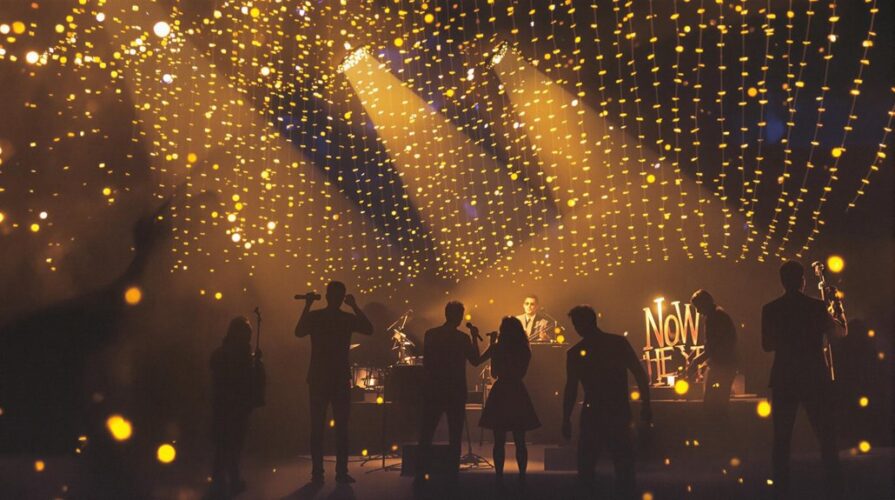
When families in Regina plan a celebration of life, thoughtful lighting and clear sound help people focus on memories rather than logistics. Whether you’re hosting a small gathering at a family home, a service in a local church, or a reception at a community hall, the right audio and lighting choices make readings, tribute music, and video presentations feel respectful and effortless. This guide explains practical decisions—microphone styles, music playback options, modest lighting rigs, and livestreaming—to help funeral planners, venue staff, and families choose what’s most important for their event. The goal is simple: use tasteful production to make it easier for everyone to share stories and honour a life without distraction.
Why sound and lighting matter in celebrations of life
Good audio and lighting are not theatrical extras for a celebration of life — they are tools that ensure every word, song, and image lands with clarity and dignity. In Regina’s quieter venues, poor microphone placement or harsh overhead lighting can make a tender reading feel distant or make faces hard to see. Consistent, unobtrusive sound helps listeners follow eulogies and announcements, while soft, directional lighting shapes the atmosphere without drawing attention away from families or mementos on display. Thoughtful production supports the emotional flow of an event and reduces the cognitive load on attendees who are already processing grief.
When planning, consider how many speakers will use microphones, whether recorded tribute music will play between speakers, and if any photo or video montages will be projected. Each of these elements interacts: a boomy speaker system can muddy spoken tributes, while poor lighting can leave video tributes washed out. Early discussion about these needs keeps the focus on supporting memories rather than troubleshooting technical problems during the gathering.

Planning audio and lighting around your event flow
Start with a timeline. Map out the order of service: arrival music, readings, photo slideshows, speeches, a video tribute, and closing music. For each segment note what audio source is required — live mic, playlist, or playback from a laptop — and whether projection or ambient lighting adjustments are needed. Identifying transitions ahead of time prevents awkward pauses and lets technicians prepare cue points, so tribute music fades gently and microphones are ready when a speaker approaches.
A clear run-sheet also helps venue staff coordinate door times, ushers, and any refreshments following the formal portion. In smaller family homes, a compact setup that uses a single mic and discreet speakers often works best. In larger halls or churches, additional stage monitors, a small mixing console, and simple lighting zones give control without creating a performance feel.
When that part of the plan becomes a priority, the related celebration of life services page gives readers a clearer service-level next step without forcing the rest of the article into a sales pitch.
Common audio needs: microphones, music playback and tribute music
Microphone choice and placement matter more than power. Handheld mics suit multiple speakers but can be passed around awkwardly; lapel or headset mics allow hands-free readings and are discreet for family members. A wired mic avoids battery surprises, but a well-managed wireless system offers freedom for moving between podium and seating. For recorded tribute music, prepare playlists at the correct volume and format; bring backups on a USB drive and have a phone or laptop with the files readily available.
If you expect several speakers, a simple mixing board lets a technician balance levels between live voices and recorded music so nothing overwhelms an intimate reading. For more comprehensive support, families can consider a funeral audio and live streaming package that bundles microphones, playback, and streaming for guests who cannot attend in person.
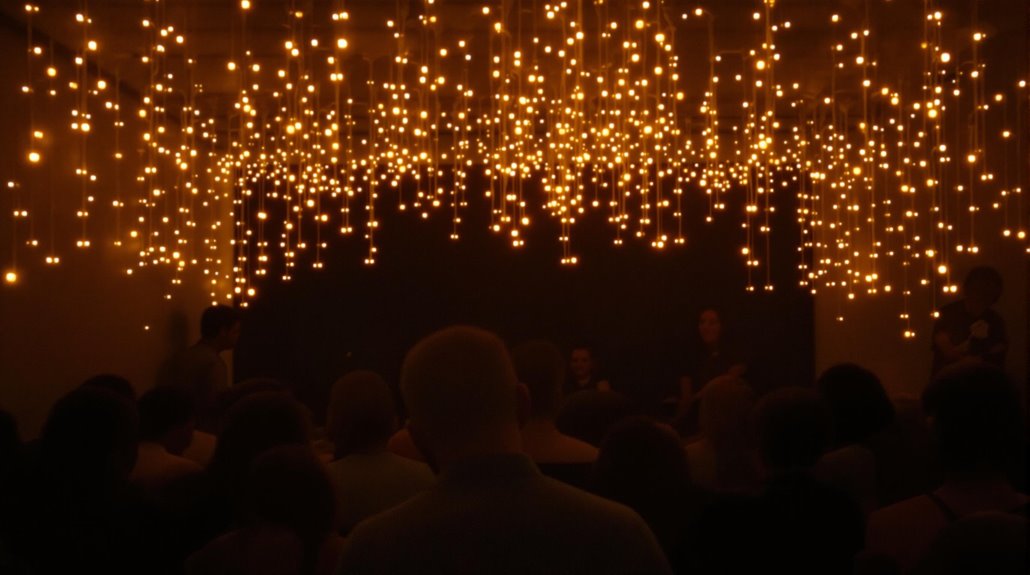
Tasteful lighting: setting the tone without distraction
Lighting should be warm, even, and flexible. Avoid bright, sterile fluorescents that flatten faces and create harsh shadows. Soft wash lighting or warm LED fixtures gently illuminate a speaker, memorial table, or projection screen without competing with the moment. Use dimmable options so the room can shift from brighter moments during speeches to lower levels for video tributes and candle displays. Simple uplighting can accent a floral arrangement or photo wall, and a well-placed spotlight can highlight a podium without making the speaker feel like they’re under a stage lamp.
In Regina venues with fixed lighting systems, discuss what adjustments are allowed in advance. Portable, low-profile fixtures are an effective solution when venue changes are limited. When projection is planned, balance the light so screens remain visible while keeping people well lit enough for emotion and recognition.
For readers comparing practical options, customized AV services for life celebrations is a useful next page because it keeps the planning path connected to the specific service being discussed.
Live streaming: connecting distant family and friends
Livestreaming has become a meaningful way to include relatives and friends who cannot travel to Regina. A good stream prioritizes consistent audio, stable video framing, and an unobtrusive camera position that captures the service respectfully. Test internet connectivity at the venue ahead of time, and choose a streaming format that works for the expected audience — some families prefer a private link, while others ask for a limited public stream. A dry run helps confirm that microphones feed both the in-room PA and the stream at appropriate levels.
For many clients, the convenience of having a technician manage both the in-person system and the online broadcast is invaluable. If you are exploring options, look at providers who list how live streaming connects family and friends and offer simple guidance on access and privacy settings so relatives receive the link and viewing instructions before the service starts.
Equipment choices for small halls, churches and family homes
Match your equipment to the venue size and the expected attendance. Small rooms often need only two compact powered speakers and a basic mixer, while larger halls may require additional speakers, stage monitors, and microphones for multiple readers. Churches may already have installed systems; in those cases, confirm compatibility with any external laptops or devices that will feed music or video. In-home gatherings benefit from portable, battery-powered options that are quiet and easy to set up without running long cables.
Consider redundancy for critical elements: an extra microphone, a second playback device with the same playlist, and spare cables reduce the risk of interruptions. For families who want a polished but simple solution, ask about packages that scale — from basic microphone and music support to a complete audio-visual production setup that includes projection and multi-camera streaming.
If the event needs that extra layer of support, reviewing funeral audio and live streaming package can help connect the idea in this section to a real local service option.
Working with venues and local logistics in Regina
Regina venues vary from historic churches to modern reception halls and community centres, each with its own rules about equipment, load-in times, and power access. Contact venue managers early to confirm access windows for setup and sound checks, parking for trucks or vans, and any restrictions on lighting or staging. Some facilities require insurance or a technician approved by the venue; others are flexible but appreciate clear communication about technical needs.
Weather and seasonal factors also matter in Southern Saskatchewan. If equipment will be moved between indoor and outdoor spaces — for example, from a memorial service to a graveside gathering — plan for weather-protected transportation and quick reconfiguration. When logistics are clear in advance, technicians can focus on sound and lighting rather than solving last-minute venue constraints.
Avoiding common mistakes and last-minute problems
Many problems at memorial gatherings stem from skipped testing and missing backups. Always run a full sound check with each microphone and the actual music or video files that will be used. Label cables and inputs on a simple diagram so any technician or volunteer can troubleshoot quickly. Phone volumes and notifications should be silenced, and any automatic prompts on playback devices should be disabled to prevent interruptions during a reading or tribute.
Don’t overload a single volunteer with technical tasks unless they’re comfortable and reliable; having at least one person dedicated to audio and one to visual cues keeps transitions smooth. Finally, keep a concise contact list of the technician, venue manager, and a family point of contact so small issues can be resolved gently and respectfully without interrupting the service.
For a deeper look at that related need, audio visual production gives the reader a focused place to continue without stacking unrelated links together.
Frequently Asked Questions
How much time should we allow for setup and soundcheck at a Regina venue?
Plan for at least 60 to 90 minutes for load-in and a complete soundcheck at most Regina venues. Smaller gatherings in a home may need 30 to 45 minutes, while larger halls or multi-room events benefit from more time to balance speakers, test microphones, and run through any video or slideshow playback. If you’ll be livestreaming, add extra time to verify internet speed and test the stream connection with the actual devices and accounts you will use.
What’s the best way to handle tribute music and video montages?
Create a single, organised source for all tribute media—clearly labelled files on a laptop or USB stick in both MP3 and WAV formats for audio, and MP4 for video. Provide a playlist or a run-sheet with cue points and desired fade times. Test the files on the venue’s system ahead of time to check levels and compatibility, and keep a secondary device as a backup. Discuss whether music should play under spoken remarks and how transitions should be handled to maintain flow and respect.
Can we stream a small, private service to family members out of town?
Yes — many families prefer a private stream link for invited guests. Decide in advance whether you want a password-protected feed or a private unlisted link and communicate access details to attendees before the service. The technical priority is clean audio and a stable internet connection; an experienced technician can mix the in-room sound and the online stream so remote viewers hear the service clearly without impacting the in-person experience.
Practical next steps for families and planners
When planning lighting and sound for a celebration of life in Regina, begin with a clear timeline, a list of speakers and media, and an honest assessment of the venue’s needs. Choose equipment that supports clarity over spectacle, prepare backups for critical items, and schedule enough setup time so technicians can fine-tune levels. If you want more hands-on guidance, look into celebration of life services and customized AV services for life celebrations that outline options from simple audio setups to complete audio visual production. Thoughtful preparation keeps the focus where it belongs: on honouring the person and helping people share memories comfortably.