
Blog

Unleashing The Beat: Unforgettable Regina Wedding DJ Services

Planning a wedding in Regina or Southern Saskatchewan means coordinating more than music — it’s about designing a seamless entertainment plan that keeps the ceremony audible, the reception organised, and the dance floor full. Rhino’s Lighting & Sound brings DJ services within a wider suite of event offerings including lighting, photo booths, AV rentals, and photography/videography options so couples can simplify vendors and keep timelines tight. This piece explains practical choices specific to Regina and nearby communities like Moose Jaw: what to expect in different venues, how to sequence music and speeches, equipment and power considerations for tents and historic halls, and how add-ons like photo booths and live streaming change the experience. If you want a straight path from ceremony clarity to last dance momentum, this guide lays out the decisions and questions that help you choose the right package and avoid common pitfalls.
Why local expertise matters for Regina wedding entertainment
Regina and Southern Saskatchewan present a mix of venues — historic halls, hotel ballrooms, outdoor farm sites, and community centres — each with its own acoustics, power access and municipal rules. A vendor familiar with the area understands local noise bylaws and curfews, typical site challenges such as limited power in rural barns, and travel times between Regina and towns like Moose Jaw. Local experience also matters when matching equipment to the room: a compact system can outperform a large rig in a low‑ceiling space, while an outdoor ceremony requires wind-resistant microphones and strategic speaker placement. Choosing a team that regularly works in the region reduces day‑of surprises and helps your planner or venue coordinator sync logistics.
Working with providers who offer multiple services—DJs, lighting, photo booths and AV—simplifies communication and can create a more cohesive production. When the same team handles ceremony sound, DJ hosting and lighting cues, transitions feel natural, speeches are miked properly and photographers can anticipate lighting changes. That cohesion is especially valuable at tight urban venues in Regina where load‑in windows are short and set changes must be efficient.
Mapping the wedding day: timeline, transitions and roles
A clear timeline is the backbone of a calm wedding day. Start by mapping arrival times for vendors, a walk‑through of the ceremony site, and a soundcheck window well before guests arrive. Build in time for transitions: a 10‑ to 20‑minute buffer between ceremony end and reception start allows the DJ to swap speaker configurations, switch microphones for speeches, and reset music cues. Identify who will MC introductions and announcements — some couples prefer their DJ to double as the emcee, while others rely on a friend or family member. Whoever takes the role should understand how to keep speeches punctual and cue songs without interrupting the flow.
Sharing a minute-by-minute or song-by-song plan with your DJ helps avoid confusion: list ceremony entrance and exit songs, key reception moments like the first dance, parent dances, cake cutting, bouquet toss, and last call. If you have unique traditions or want a low-key playlist for dinner, include those details. Clear expectations reduce on-site improvisation and help the DJ balance reading the room against executing the planned moments.
When that part of the plan becomes a priority, the related Regina wedding DJ services page gives readers a clearer service-level next step without forcing the rest of the article into a sales pitch.
Ceremony sound: making every vow audible
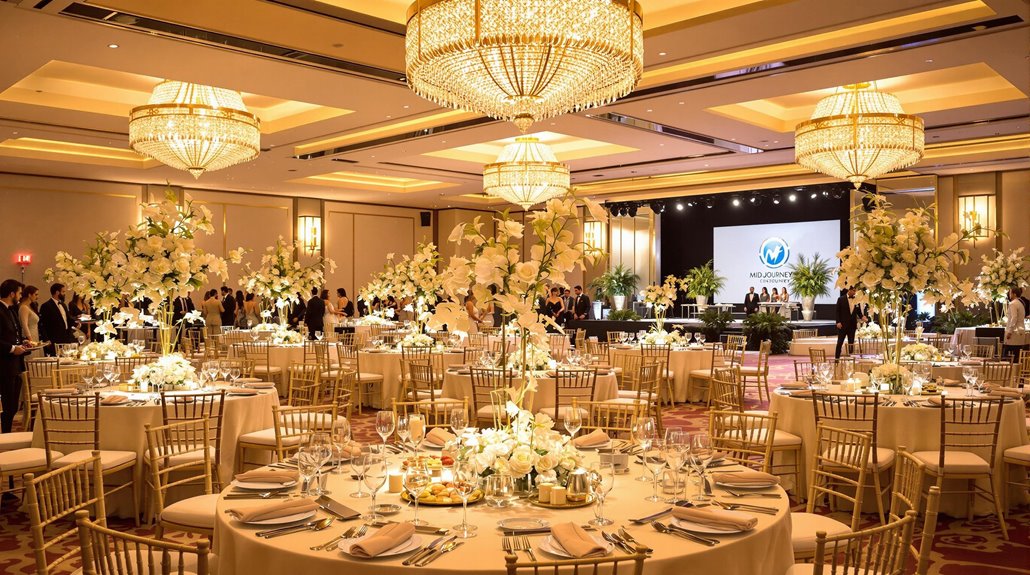
Ceremony audio looks simple until wind, distance and room acoustics get involved. For indoor ceremonies choose lavalier or headset microphones for officiants and handheld mics for readings when multiple people speak. In churches and heritage spaces test for reverb; a different microphone pattern or a small foam windscreen can improve clarity. Outdoor ceremonies need louder speaker placement and wind protection for ribbons and lapel mics. For larger outdoor sites consider wedge monitors for musicians and a strategic speaker cluster to cover guests without blasting anyone in the front row.
Ask about backup plans: battery packs, spare microphones, and an alternate music source in case a streaming device fails. A professional team will perform a brief soundcheck before guests arrive and confirm microphone handling during vows so the officiant and couple know where to stand and where to speak for best pickup.

Reception music: playlist strategy and keeping the dance floor full
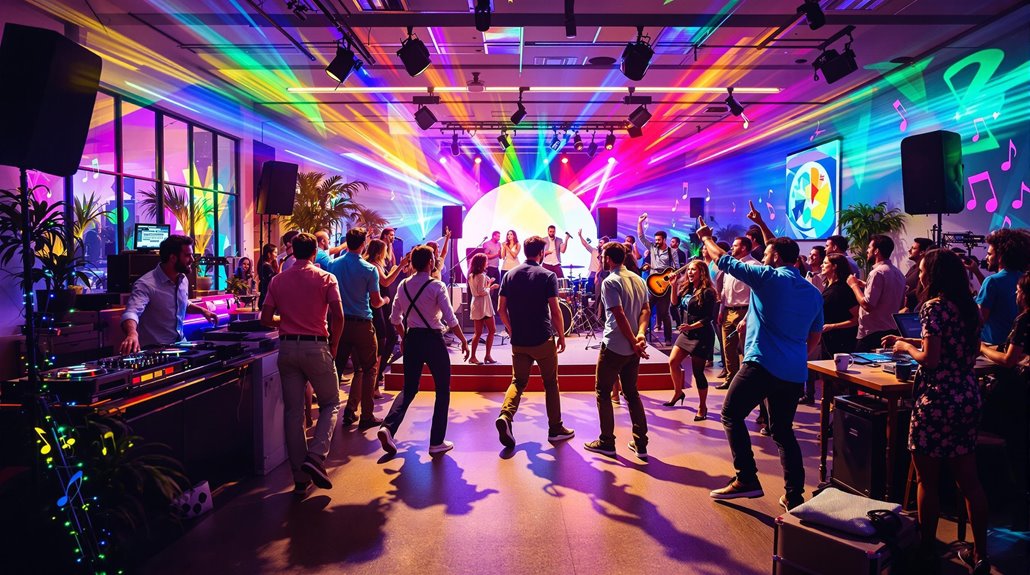
Reception music is both planning and crowd reading. Work with your DJ to craft a playlist for dinner that respects your tone — mellow acoustic, jazz standards, or contemporary background music — and assemble a dance set list that escalates energy through the night. Provide must‑play and do‑not‑play lists, and indicate a few era or genre priorities (e.g., ‘80s classics, current pop, or a two‑song Latin block’ ) so the DJ can hop between styles without jarring transitions. Discuss whether you want live introductions for the wedding party, any formal dances, and how long you expect the dance portion to run.
Good DJs watch the room and use short, energetic mixes to keep the floor moving, but also balance requests with the plan. Alternatives like Music Bingo or a live band for a portion of the night change pacing and equipment needs, so include those decisions early in your planning to align timing and setup.
For readers comparing practical options, compare Regina wedding DJ packages is a useful next page because it keeps the planning path connected to the specific service being discussed.
Lighting and atmosphere: set the mood without overpowering the room
Lighting transforms a venue from functional to memorable. Uplighting can wash walls in your wedding colours for dinner, while subtle dance floor fixtures add motion and energy during the party. For intimate historic halls or venues with low ceilings, use soft wash and pin spots rather than large moving heads that can overwhelm the room. Outdoor receptions and tented events require weather‑proof fixtures and attention to power draws; addressing generator needs in advance prevents last‑minute compromises.
Discuss lighting placement with your photographer and videographer — certain colours and intensities look better on camera. Integrated lighting cues that accent first dances or cake cutting create dramatic moments without interrupting service or photos. If you’re considering a signature lighting package, review how it pairs with the DJ sound system and whether the rental includes rigging and dimmer control.
Photo booths and extras that keep guests engaged
Photo booths for Regina weddings remain a guest favourite because they produce instant keepsakes and social media moments. Decide if you want attendant‑staffed booths, open‑air setups, or enclosed booths with prints and digital sharing. Extras such as themed props, custom print borders, GIFs and slow‑motion video loops raise engagement and extend entertainment beyond the dance floor. Placement matters: position the booth near the reception hub but out of main traffic paths to avoid bottlenecks.
Consider timing and staffing: a busy hour after dinner often yields the most booth traffic, so schedule captures and attendant breaks accordingly. If you’re combining services, look for vendors who can synchronise booth lighting with reception ambience so photos feel consistent with your wedding’s aesthetic.
If the event needs that extra layer of support, reviewing The Bling Wedding DJ Package can help connect the idea in this section to a real local service option.
Production, AV and working with photographers and videographers
A seamless wedding production blends sound, visuals and captured memories. If you plan slideshows, speeches with clips, or a live stream for guests who can’t attend, ensure the AV setup includes inputs for laptops, HDMI switching and a technician to cue content. Coordinate with wedding photography and videography teams so microphone placement, lighting cues and stage setups don’t clash with camera sightlines. Sharing a production plan helps everyone avoid obstructing walks or shots.
Live streaming has become common for out‑of‑town guests in Southern Saskatchewan communities; discuss bandwidth availability with your venue and whether the provider supplies an ethernet line or a bonded cellular solution. For venues with limited internet, local recording options preserve footage without relying on a live broadcast.
Comparing packages and knowing what to ask
When you compare Regina wedding DJ packages, focus on what’s included beyond a set time: the number of microphones, backup equipment, lighting options, travel fees, set‑up and teardown windows, and whether an on‑site tech is included. Ask about insurance and whether the provider has worked at your venue. Some packages bundle extras like photo booths or uplighting — The Bling Wedding DJ Package is an example of a comprehensive option to consider — while à la carte pricing gives flexibility for niche needs.
Clarify payment terms, cancellation policies and whether overtime rates apply. A thorough contract should list deliverables, arrival times, and contingency plans for weather or technical failures. Comparing these operational details helps you assess real value rather than just headline price.
For a deeper look at that related need, photo booths for Regina weddings gives the reader a focused place to continue without stacking unrelated links together.
Frequently Asked Questions
How far in advance should we book Regina wedding DJ services?
For popular summer dates in Regina and surrounding towns, secure your DJ and integrated services as soon as you have a confirmed venue — typically 9 to 12 months ahead. If your date is less competitive or during off‑peak months, 4 to 6 months can be sufficient. Booking early gives you access to preferred packages, more flexible timelines for walk‑throughs and the best chance to coordinate lighting, photo booths and photography/videography together.
What should we include in a wedding-day timeline for music and audio?
A practical timeline lists vendor arrival and soundcheck windows, ceremony start time with entrance and recessional songs, cocktail and dinner music blocks, scheduled speeches, formal dances and the party start and end. Add transition buffers of 10–20 minutes between major segments, and note who will MC or cue songs. Share the timeline with photographers, venue staff and the DJ at least a week before the event to align on cues and logistics.
Do we need to provide equipment or will the DJ bring everything?
Most professional vendors supply core equipment: speakers, mixers, microphones and the DJ console, plus basic lighting for the dance floor. For specialised needs — large outdoor PA systems, extra mics for bands, generator rentals or projector screens — confirm what’s included in your package. Ask about backups for microphones and playback devices, and whether the vendor handles rigging and venue approvals so you don’t need to source separate gear.
Putting the pieces together for a seamless Regina wedding day
A memorable wedding blends careful planning with room for joyful spontaneity. Start with a clear timeline, choose services that reduce handoffs between vendors, and prioritise ceremony clarity, smooth reception transitions and lighting that photographs well. Consider bundled solutions that include DJs, lighting, photo booths and AV so teams coordinate cues and equipment. With local knowledge of Regina and Southern Saskatchewan venues, you can anticipate common challenges — power for tents, municipal noise limits, and load‑in windows — and create an entertainment plan that keeps the focus on your celebration rather than the logistics.