
Blog

Remembrance Day Events: How AV and Sound Support Meaningful Ceremonies
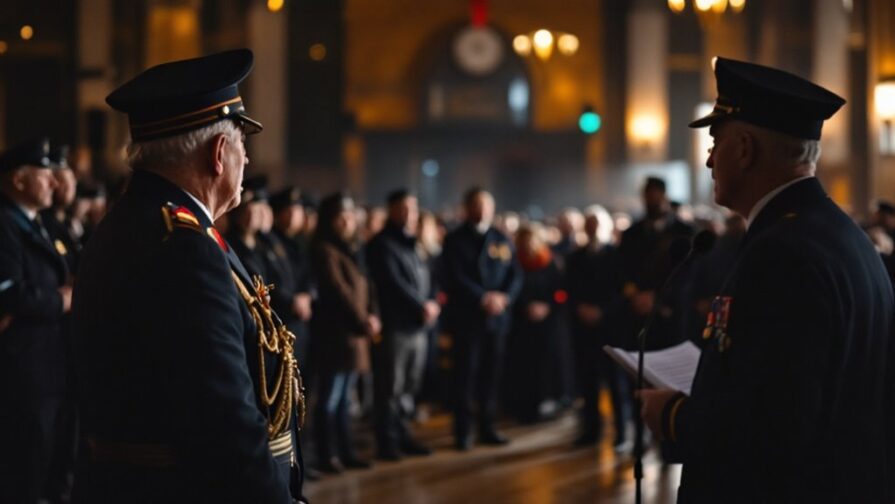
At a town cenotaph service, you might use wind-protected lectern microphones, evenly spaced speakers, and a dedicated operator to ensure every tribute reaches the crowd without overpowering the Last Post. You need clear coverage, precise cueing, and backup systems that remain unobtrusive in changing weather. From the moment of silence to livestream captions, each technical choice affects the ceremony’s dignity—so where should your planning begin?
TLDR
- Plan audio coverage around audience size, venue acoustics, sightlines, ambient noise, and overflow areas to ensure every attendee can hear and see clearly.
- Use reliable outdoor microphones with wind protection, controlled-dispersion speakers, weatherproof connections, and conservative levels that preserve a solemn atmosphere.
- Soundcheck every reader, musician, and presenter to maintain natural speech clarity, prevent feedback, and manage emotional volume changes discreetly.
- Create a detailed cue sheet for readings, wreath-laying, Last Post, moment of silence, Reveille, lighting, and microphone muting.
- Assign experienced AV operators to manage sound, live-streaming, recording, and contingencies without distracting from the ceremony’s purpose.
Plan Clear Audio for Remembrance Day Events
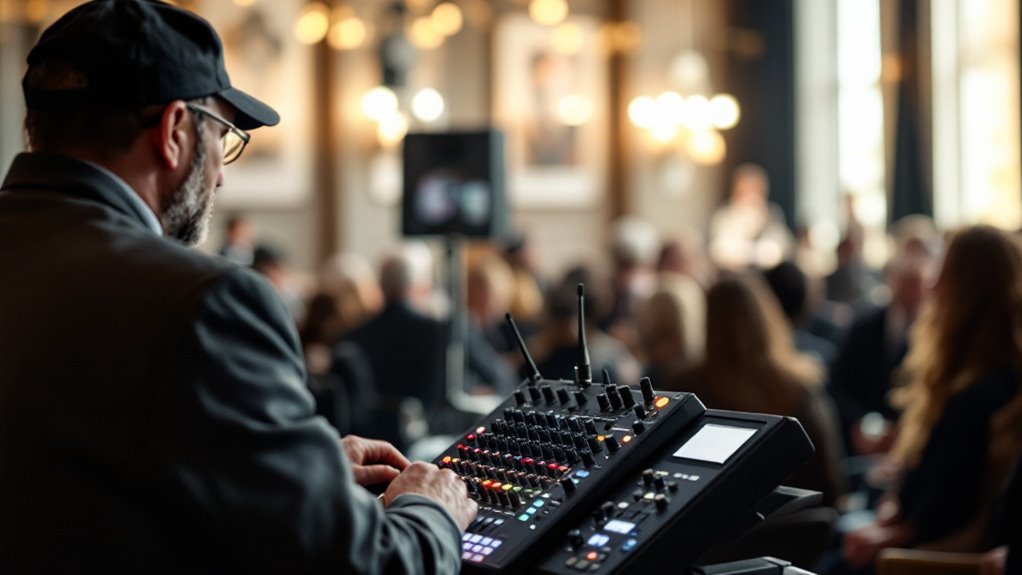
Clear, reliable audio is essential for Remembrance Day ceremonies, where every reading, prayer, musical tribute, and moment of silence carries significance. You should build an audio plan that protects intelligibility and preserves the ceremony’s dignified tone. Use suitable microphones for each contributor, with wind protection for outdoor lecterns and backup batteries for wireless units. Set conservative gain levels to prevent distortion during emotional speeches or choral passages. Run thorough sound checks with the actual presenters whenever possible, confirming microphone technique, playback levels, and transitions. Prepare a written running order that identifies every audio source, operator action, and timing cues for the Last Post, silence, and Reveille. Keep a spare wired microphone, playback device, and essential cables available. A reputable rental partner can also provide on-site technical support and backup solutions to minimize downtime if equipment issues arise. Monitor the programme continuously, making only discreet adjustments that won’t distract attendees.
Assess Your Venue, Audience and Sound Coverage
Begin with a site survey that maps where attendees will stand or sit, where speakers and musicians will perform, and where sound may be obstructed by buildings, trees, traffic, or wind. You’ll identify listening zones, reflection points, and quiet areas before the ceremony begins. Consider venue acoustics carefully: hard memorial walls can create echoes, while open lawns may disperse speech. Estimate audience reach from expected attendance, seating layout, accessibility areas, and overflow positions.
Map listening zones, sound obstacles, and audience reach early to ensure every voice carries clearly and respectfully.
- Mark distances from the ceremony focal point to the furthest listeners.
- Note ambient noise patterns, including nearby roads, aircraft, and public activity.
- Check sightlines so attendees can follow readings, wreath-laying, and the Last Post.
If the ceremony includes tribute videos, memorial slideshows, or recorded music, a dedicated Media Player can help keep playback reliable without relying on a personal computer.
Walk the site at the event’s scheduled time when possible. Conditions can change quickly, and your assessment helps preserve clarity, dignity, and shared participation for everyone present.
Choose Microphones and Speakers for Outdoor Ceremonies
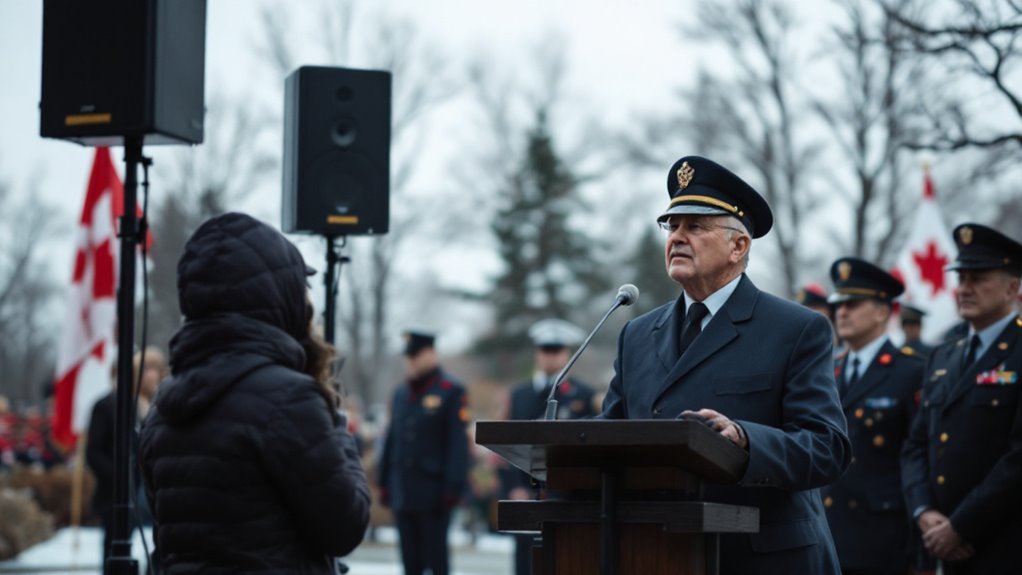
With the site’s listening zones and ambient noise mapped, select microphones and speakers that deliver intelligible speech without overpowering the ceremony. Use wired gooseneck or handheld dynamic microphones for dependable outdoor performance, with windshields to reduce gust noise. Plan microphone placement close enough to capture a natural voice while keeping speakers behind the pickup area to prevent feedback.
Choose weather-rated column arrays or compact loudspeakers with controlled dispersion, directing sound toward attendees rather than nearby roads, buildings, or memorial spaces. Position units on stable stands, secure cables, and protect connections from moisture. Outdoor weatherproofing includes rain covers, sealed connectors, and power distribution rated for external use. Keep overall levels measured and restrained: you want clear announcements across the audience, not amplified sound that distracts from the occasion. As with a professional DJ preparing backup equipment for a major event, ceremony AV teams should have spare microphones, cables, and power options ready in case conditions change. Test the system under likely wind and crowd conditions before guests arrive.
Support Readings, Prayers and Tributes Clearly
How can you ensure every reading, prayer, and tribute reaches the audience without losing its personal tone? Give each speaker a brief soundcheck and set microphone gain for natural speech, not maximum volume. Position lectern microphones consistently, reduce handling noise, and provide a discreet monitor so speakers can hear themselves comfortably.
- Print scripts in large, high-contrast type and confirm script timing during rehearsal.
- Use a trained operator to adjust levels between speakers, preserving quiet voices and preventing sudden peaks.
- Provide caption clarity on nearby displays or livestream feeds, checking names, ranks, and quotations carefully.
For families or veterans who cannot attend in person, a private unlisted YouTube link can allow them to watch the ceremony live or on demand from any device.
You should also plan for varied speaking styles. Ask readers to pause at punctuation, face the microphone, and maintain a steady distance. Keep backup batteries, a spare wired microphone, and printed copies available, so technical issues don’t interrupt a sincere tribute.
Cue the Two-Minute Silence and Last Post
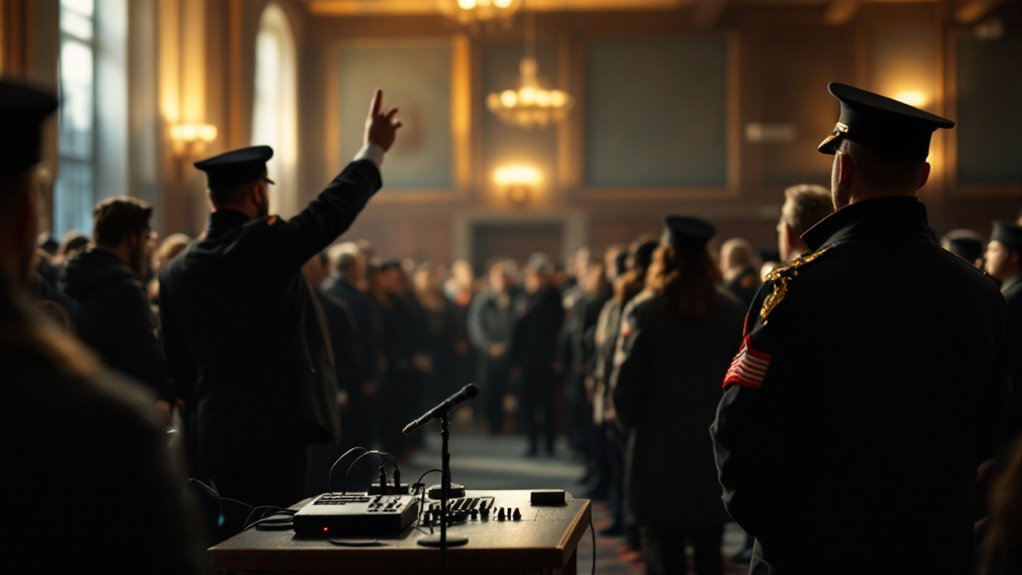
A precise cue plan protects the dignity of the Last Post and the two-minute silence. You should assign one experienced operator to manage the sequence, with a written rundown showing exact start times, standby calls, and contingency actions. Confirm whether the bugler performs live or uses an approved recording, then test playback level without exposing attendees to rehearsal audio.
To cue the two minute silence, fade all programme audio cleanly, hold room lighting, and prevent walk-in music or automated announcements from triggering. Use a silent visual timer at the control position, not audible prompts. Build in last post sensitivity by keeping microphone channels muted, disabling notification sounds, and briefing staff on movement restrictions. When the silence ends, bring in the following cue smoothly and only after the designated officiant or event protocol confirms it. For venues with existing sound and lighting systems, a streamlined Plug & Play DJ setup can provide laptop, controller, music library, and microphone support without a large mobile production load-in.
Add Screens, Captions and Live Streaming
Carefully planned screens, captions, and streaming extend the ceremony’s reach without distracting from its purpose. You should position displays where attendees can read names, service details, and commemorative images without obstructing sightlines or memorial focal points. Thoughtful screen integration keeps brightness low, content restrained, and transitions silent.
- Show clear programme timings, readings, and names in high-contrast text.
- Build a captions workflow that accurately reflects spoken tributes, prayers, and announcements.
- Stream with stable audio, a fixed camera position, and permission-aware framing.
You can test every display feed before guests arrive, including outdoor visibility and backup playback. For remote viewers, provide a simple access link and clear start time. Keep on-screen graphics minimal so attention remains on the silence, the Last Post, and shared remembrance.
Know When to Hire Professional AV Support
Assess your ceremony’s audience size, venue acoustics, programme timing, and accessibility needs before selecting AV resources. You should hire professional support when the event requires multiple microphones, outdoor sound coverage, live streaming, or redundant equipment. A qualified AV team can manage signal routing, power distribution, and real-time troubleshooting without disrupting the ceremony.
Assessing Ceremony Requirements
Before you finalise an AV plan, consider the ceremony’s scale, venue acoustics, audience layout, programme complexity, and contingency needs. You should map each spoken, musical, and ceremonial moment to equipment, staffing, and rehearsal time. A small indoor service may need only clear speech reinforcement, while an outdoor gathering requires wider coverage and weather-aware placement.
- Count attendees and identify where sound must remain intelligible, including overflow areas.
- Review volunteer roles carefully; don’t ask untrained people to monitor critical microphones or cues.
- Confirm lighting design supports readers, wreath-laying, silences, and safe movement without distracting from reflection.
Hire professional AV support when your venue has difficult reverberation, multiple performers, live streaming, or strict timing requirements. You’ll gain reliable setup, tested backups, and calm technical oversight, allowing organisers to focus on dignified participation.
Managing Technical Complexity
As the programme adds wireless microphones, musicians, video playback, live-streaming, or timed ceremonial cues, technical coordination can exceed what volunteers can safely manage. You should consider professional AV support when your event needs multiple audio sources, outdoor coverage, backup power, recording, or reliable communication between operators and ceremony leaders.
A qualified team can build an AV workflow that assigns cue ownership, tests signal paths, manages radio-frequency coordination, and provides contingency equipment. They’ll set microphone gain before speeches, balance music without masking spoken words, and monitor livestream audio separately from the venue mix. This preparation protects the dignity of remembrance rituals by reducing avoidable interruptions, feedback, missed cues, and unclear announcements. You retain control of the ceremony’s intent while specialists manage the technical systems discreetly.
Common Questions
What Permits Are Required for a Public Remembrance Day Ceremony?
You’ll typically need event permits, park or street-use permits, sound permits, and traffic approvals. Confirm crowd control, fire-safety, accessibility, and insurance requirements with local authorities. Requirements vary by venue, attendance, road closures, and amplified audio.
How Can Schools Involve Students in Remembrance Day Events?
You can make student involvement the ceremony’s heartbeat through readings, research displays, choir performances, and flag duties. Assign an AV role for trained students to manage microphones, projections, captions, and respectful sound levels.
What Accessibility Arrangements Should Organisers Provide for Attendees?
Provide accessible seating, step-free routes, accessible toilets, hearing loops, captioned displays, sign language interpreters, quiet spaces, clear signage, large-print programmes, and trained stewards. You’ll also need accessible transport information and emergency evacuation support.
Are There Specific Protocols for Laying Wreaths During Ceremonies?
You should follow ceremony etiquette and wreath presentation protocols: approach when announced, carry the wreath respectfully, place it gently at the memorial, step back, observe silence, salute or bow if appropriate, then depart quietly.
How Early Should Guests Arrive for a Remembrance Day Service?
Arrive 20–30 minutes early; punctuality matters more than a thousand silent tributes. Confirm arrival timing in your invitation, respect guest invitedness, allow security checks, find seating quietly, and avoid disrupting formal proceedings or moments of silence.