
Blog

The Role of Visual Effects in Modern Event Entertainment
Visual effects transform events in Regina and Southern Saskatchewan, turning good gatherings into memorable experiences. When used tastefully, lighting, projections, and atmospheric effects guide guest attention, reinforce branding, and elevate photographs without overpowering the room. For wedding planners, corporate event producers, and nonprofit organisers, visual production can support an event’s narrative—from ceremony entrances and keynote moments to reception energy and post-event social media content. This post explains practical choices, common pitfalls, and how to coordinate with venue staff, AV crews, and decorators to achieve a cohesive look. We’ll cover venue assessment, equipment options, timing in event flow, and budget priorities so you can identify where visual effects add value. Local examples and considerations specific to Regina venues help make these recommendations actionable for planners working across spring, summer, and winter seasons.
Why taste matters: intentional visual design
Intentional visual design separates a good event from a memorable one. Rather than adding effects for their own sake, start with clear objectives: highlight a ceremony aisle, create an intimate dining atmosphere, or energize a dance floor. Knowing what reaction you want from guests guides decisions about intensity, colour palette, and timing. Tasteful production complements décor, photography, and audio, so collaborate early with your designer or AV team to avoid clashes. For Regina events, consider seasonal colours and natural light through large windows; early afternoon ceremonies need different strategies than evening receptions under house lighting.
Assessing your Regina venue: sightlines, surfaces, and power
Begin each event plan with a site visit. Note ceiling heights, wall colours, floor materials, and any obstructions like chandeliers or balcony rails; these factors affect light spread and where you can safely mount equipment. Ask the venue about available circuits and dimming capabilities; older halls sometimes limit power or have only switched circuits. Confirm load-in access and timing for rigging gear and test times for rehearsal. In Regina’s climate, secondary entrances for loading during winter can be essential, so plan crew schedules accordingly. Bring floor plans.
Photographers and videographers appreciate controlled lighting; ask them about troublesome glare areas or reflective surfaces. Request the venue’s dimensions and a sketch of blackout options if natural light will compete with projections. If the event uses multiple spaces—ceremony room, cocktail area, and reception—plan separate cues and equipment staging to avoid delays. Local venues like community halls, hotel ballrooms, and unique heritage sites in Southern Saskatchewan often have different rigging rules, so obtain written approvals where necessary. A short checklist for the venue visit saves time later.
When that part of the plan becomes a priority, the related audio visual production page gives readers a clearer service-level next step without forcing the rest of the article into a sales pitch.
Key visual elements and when to use them
Match visual elements to event moments. Soft uplighting or candle-coloured washes work well during seated dinners to create warmth, while dynamic colour changes and moving lights increase excitement for a dance set or late-night party. Spotlights or followspots highlight speeches and first dances, but they should be calibrated to avoid blinding guests or ruining photos. Projection mapping and background screens are excellent for storytelling during ceremonies or branded corporate moments, provided the surface is suitable and ambient light can be controlled. Prioritise clarity: it’s better to have fewer, well-executed effects than many that compete.
Consider time-of-day staging. For example, gobo monograms are strikingly effective after dark or against dimmed house lights, while subtle uplighting can soften a bright midday room. Introduce effects at defined cue points—entrances, toasts, or drops—to create memorable beats during the program. Work with your AV team to script cues into the run sheet so lighting and projections align with music and speeches. This approach keeps the event feeling intentional and supports photographers in capturing the moments you prioritize. A two-page lighting cue list is often all planners need to communicate expectations clearly.
Lighting choices: wash, uplight, and accent
Different types of lighting serve distinct purposes. Room wash creates a base ambience, uplights change wall colour and depth, and accent fixtures draw attention to features like cake tables or floral installations. LED fixtures offer colour flexibility and low heat, an advantage in intimate venues or heritage properties. Choose warmer gels or colour temperatures for romantic events; saturated colours and gobos can be introduced as the evening progresses. For outdoor ceremonies in Regina parks or country venues, battery-powered fixtures and tasteful spotlighting provide safe, weather-aware solutions.
Placement matters more than power alone. Bounce uplights off textured walls or place washes behind drapery to avoid harsh shadows. When planning colour transitions, test with photography settings to ensure skin tones remain flattering in photos and video. Temporary rigging points and sandbagged stands are common in community halls; always verify with the venue whether you can use clamps or need floor systems. A short technical rider with power and rigging notes will prevent surprises on event day. Bring spare bulbs and gaffer tape.
For readers comparing practical options, make your event stand out with lighting is a useful next page because it keeps the planning path connected to the specific service being discussed.
Projection, gobos, and branding
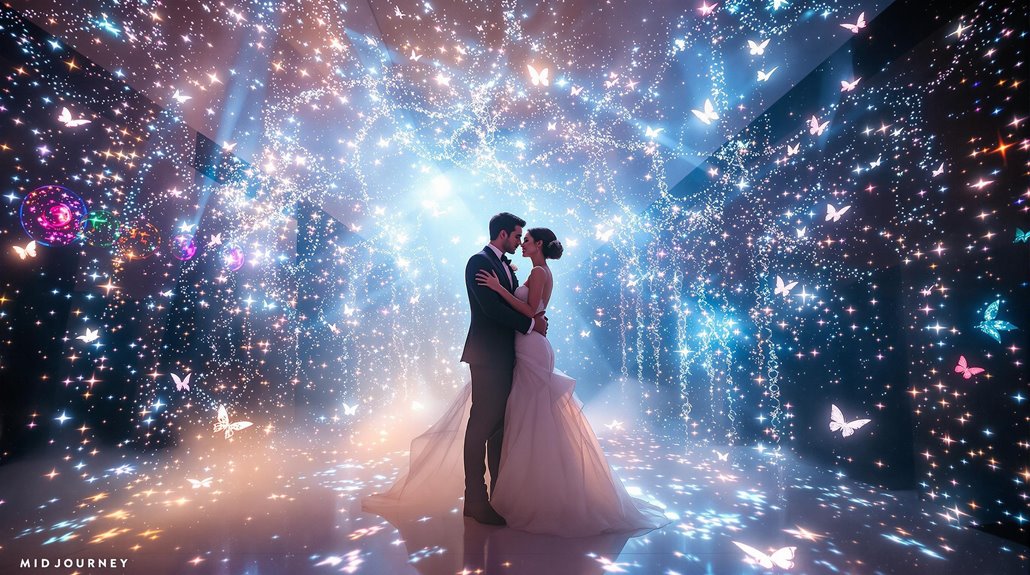
Projection options range from simple logos to complex mapping. Gobo projector monograms offer a classy way to personalise space—place them on a dance floor, wall, or above the sweetheart table for a photo-friendly detail. Projection mapping can transform architectural features, but requires smooth, neutral surfaces and more setup time. For corporate events, tie projections to the agenda: logo reveals during opening remarks, slide content synchronised with speaker transitions, and subtle motion loops during breaks. Test contrast levels in the actual room to ensure projections read well on camera and in person.
Keep branding tasteful and flexible. Oversized logos in harsh colours can distract and date a space; instead use tone-on-tone variations, animated reveals, or small monograms to reinforce identity without overwhelming guests. Coordinate with your designer and AV operator so logos conform to broadcast-safe colours and comply with any venue restrictions. For weddings, monograms often work best as a subtle focal point in photos rather than the event’s dominant visual theme. When in doubt, test a draft projection during load-in. It helps.
Atmospheric and specialty effects: fog, haze, dance-on-a-cloud
Atmospheric effects add depth and drama when used sparingly. Haze provides definition for beams and moving lights; low-lying fog creates a cinematic first dance look. Before adding effects, check venue policies and assess ventilation—haze dispersal differs between a downtown Regina ballroom and a country community hall. Consider guest comfort and smoke detector sensitivity; in some heritage sites you’ll need pre-approval or a technician to monitor detectors. If you want a romantic entrance, consider the dance on a cloud option as a visually striking but controlled special effect.
Plan effects into the run sheet with clear cues and operator responsibilities. Haze machines often need warm-up time and should be positioned to avoid creating slippery floors with heavier fog. Communicate timing to performers and photographers so key moments are captured cleanly. For outdoor dusk ceremonies in Southern Saskatchewan, test effects in similar light conditions beforehand; wind can dissipate haze rapidly and change the intended look. A designated operator who can both run the machine and monitor detectors keeps things simple. Always have a backup plan if the effect is not possible on the day.
If the event needs that extra layer of support, reviewing gobo projector monograms can help connect the idea in this section to a real local service option.
Coordinating AV and sound: the visual-audio relationship
Sound and visuals are inseparable in live events. An upgraded sound system gives you cleaner mixes and better control of dynamics, which in turn affects how lighting and projections read to the audience. Discuss microphone types, stage monitors, and speaker placement with your AV provider early so loudspeakers don’t cast unwanted shadows or block projection sightlines. Incorporate cues for music-driven lighting changes and ensure the AV operator has a clear run-of-show and communication method with the lighting technician. For complex corporate presentations, bring your audio visual production team into planning meetings early.
Test full systems at least once before the event when possible; a simple dress rehearsal reduces last-minute adjustments and clarifies cue timing. On-site overlap between technicians prevents miscommunication—use headsets or a point person to call cues. Keep a printed backup of all media files and confirm codecs so content plays cleanly. Local suppliers in Regina can recommend venue-friendly equipment and logistics based on prior experience in the market, which shortens setup time and reduces day-of risk. Have a small toolkit of adapters and spare cables.
Frequently Asked Questions
What visual effects work best for small Regina venues?
For intimate spaces, low-heat LED uplights, a modest room wash, subtle gobos, and targeted accents are most effective. They add depth without overpowering seating or blocking sightlines. Portable fixtures and battery-powered options work well in community halls and outdoor Regina settings. If you want a standout tabletop or cake spotlight, choose a narrow-beam accent. Coordinate with photographers on colour temperature so skin tones look natural. Often a small selection of well-placed fixtures gives better photographic results than a larger, unfocused package.
How early should I plan visual effects with my venue and vendors?
Start discussions as soon as you confirm date and venue. For straightforward uplighting and gobos, 4 to 6 weeks can be sufficient, but for complex projection mapping, custom gobos, or coordination across multiple vendors, allow 8 to 12 weeks. Early planning secures rigging approvals, power upgrades, and any special permits for atmospheric effects. Bringing your AV or audio visual production team into vendor meetings early reduces surprises and gives time for tech rehearsals. In Regina’s busy summer months venues book quickly, so earlier is safer.
Will fog or haze trigger fire alarms?
Possibly, depending on detectors and the type of effect. Light haze from dedicated haze machines usually stays below alarm thresholds when provided by experienced technicians, but dense fog or theatrical smoke may activate sensors in older venues or heritage buildings. Always confirm the venue’s policy, test in the space, and get any required approvals in writing. Use operators who can adjust output and monitor detectors, and have a contingency plan if an effect must be paused. Local experience in Regina venues helps anticipate which spaces are sensitive.
How much of my event budget should I allocate to visual production?
A rule of thumb is to prioritise moments over gadgets. Allocate visual budget to the parts of the event that guests will remember—first dances, keynotes, award reveals, or photo backdrops—rather than spreading spend thinly across every minute. For many weddings or small corporate gatherings in Regina, a modest investment in uplighting, a gobo monogram, and an upgraded sound system yields a high return in perceived quality. For larger productions, reserve 15–30% of the event production budget for visual and AV elements, but tailor percentages to your specific priorities.
Bringing it together for a cohesive, memorable event
Thoughtful visual production makes guests feel like every element of an event was intentionally designed. Start with clear moments you want to highlight, inspect the venue for technical constraints, and prioritise a few high-impact elements such as uplighting, a gobo monogram, or a concise projection sequence. Coordinate with photographers, caterers, and your audio visual production partners early so cues and sightlines are aligned. In Regina and Southern Saskatchewan, choosing equipment and operators familiar with local venues shortens setup time and reduces surprises. With a focused plan you’ll create images and moments that last in memory and in photos.