
Blog

Tips for Planning a Respectful and Meaningful Memorial Service

Planning a memorial service in Regina can feel overwhelming at a time when compassion, clarity, and calm matter most. This guide breaks the process into practical steps and local considerations so families and friends can create a meaningful tribute without getting lost in technical details. You’ll find advice on choosing a venue and time, organising the order of service, curating music and video tributes, and making sure audio and visuals support the mood rather than distract from it. There’s also guidance on livestreaming for relatives who can’t attend in person and tips to avoid common mistakes we see at Southern Saskatchewan events. Read on for a clear, local-focused plan that honours memory and helps things run smoothly from first call to final moments.
Start with purpose and realistic priorities
Begin planning by clarifying the tone and purpose: intimate family gathering, public celebration of life, or a formal service. Decide which elements are essential — a eulogy, particular music selections, or a video tribute — and what can be simplified. Listing priorities early helps conversations with venue staff, officiants, and technical teams go faster. In Regina, weather and travel patterns can matter for timing, especially in winter, so setting dates and an overall flow right away reduces last-minute stress for elders and out-of-town guests.
Assign one or two family contacts to make decisions and liaise with vendors; that keeps messages consistent and prevents duplication. Provide those contacts with a basic checklist — preferred songs, photo files for tributes, estimated guest count, and accessibility needs — so technical teams can prepare equipment and staffing appropriately.
Choose a venue and schedule with local logistics in mind
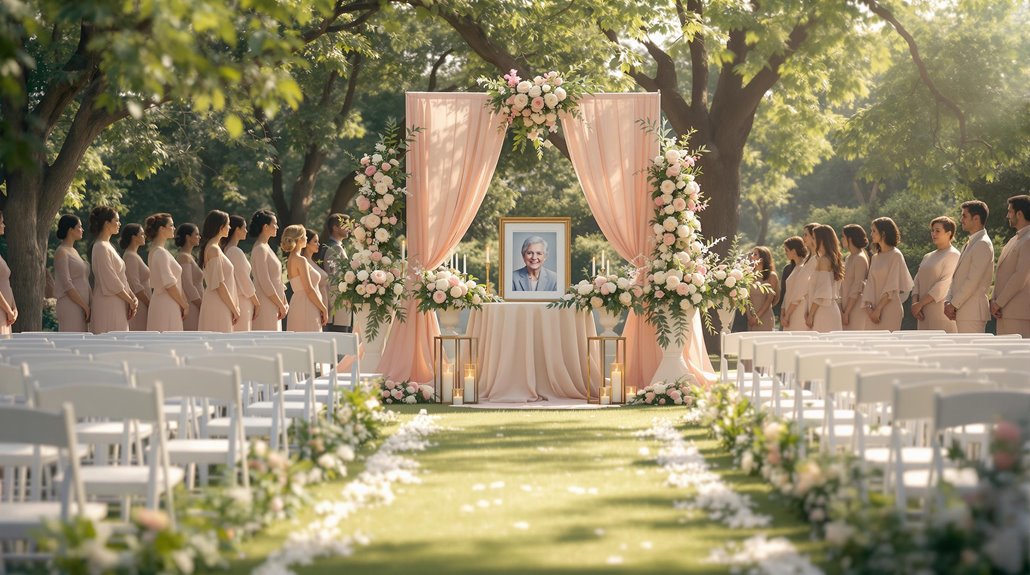
Venue choice shapes what’s possible. Churches and funeral homes in Regina often have built-in sound systems and seating, while community halls or private venues may need rentals for microphones, speakers, or projection. Consider parking, wheelchair access, and nearby space for overflowing guests. If the service is planned during a holiday or winter storm season, allow travel time for family arriving from Southern Saskatchewan towns; having a simple contingency plan helps everyone.
Once the venue is chosen, confirm load-in times for vendors and a rehearsal window if possible. That brief run-through can catch issues with microphone placement, sightlines for video projection, and entrances so the actual service feels seamless and respectful.
When that part of the plan becomes a priority, the related celebration of life services in Regina page gives readers a clearer service-level next step without forcing the rest of the article into a sales pitch.
Audio and sound: clarity, levels and respectful support
Clear audio is vital for any memorial — muffled microphones or feedback distract from eulogies and music. Use directional microphones for speakers, positioned to allow natural movement without sacrificing pickup. If background music will play during seating or transitions, set consistent levels so music supports rather than competes with voices. For larger rooms or rooms with reflective surfaces, ask for a sound check during load-in to adjust EQ and reduce echoes.
For families who want a comprehensive solution, options like a funeral audio system with music service can simplify logistics by bundling appropriate speakers, wired and wireless microphones, and playback devices. When bringing in external equipment, make sure technical staff are familiar with the venue’s power and access points to avoid last-minute adaptors or interruptions.

Choosing music and structuring the order of service
Music sets the emotional tone. Select a mix of songs that reflect the person’s life and are suitable for the setting — instrumental pieces for sombre moments, familiar vocals for celebration segments. Limit the number of transitions; too many abrupt changes can feel uneven. Create a written order of service that lists song beginnings and endings, who introduces each segment, and how transitions will be handled so speakers and musicians know what to expect.
If you’re using recorded music, provide high-quality files in advance; compressed audio from phones may sound thin on larger systems. Communicate song lengths and whether you want full tracks or excerpts so technicians can cue music accurately and preserve flow during readings, photo tributes, or open-mic sharing.
For readers comparing practical options, lighting and sound for celebrations of life is a useful next page because it keeps the planning path connected to the specific service being discussed.
Video tributes and visual media that honour memory
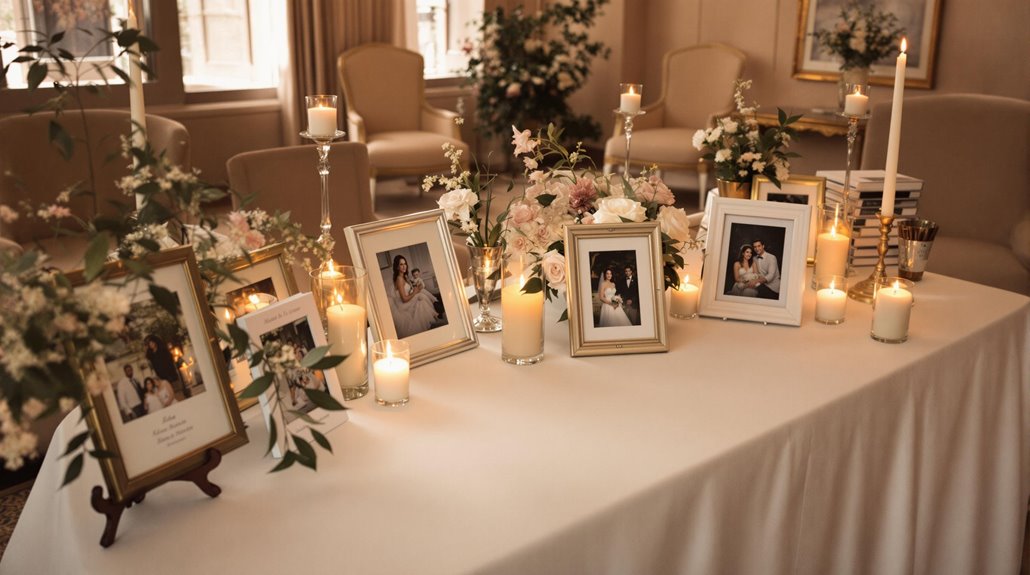
A photo or video tribute can be a powerful centrepiece when done with restraint. Keep montages concise — generally three to five minutes is suitable for most services — and organise photos chronologically or by theme to tell a clear story. Ensure all media files are in common formats and labelled so AV teams can load them quickly. Test contrast and colour levels on the venue’s projector or screens; darker photos can disappear on some projectors unless adjusted.
For families needing assistance, customised AV for memorial tributes helps with editing, formatting, and ensuring playback compatibility. Provide a list of names and captions for key photos and let the AV team know if you prefer music under the montage or a period of silence at the end to allow guests to reflect.
Live streaming so distant family and friends can participate
Livestreaming is now a common expectation for families split across Saskatchewan or beyond. Decide early whether you want an ongoing stream for the full service or a recording posted afterwards. Check the venue’s internet reliability — some older buildings in Regina may not support stable uploads — and consider cellular-bonded solutions if bandwidth is limited. Communicate start times and any privacy preferences so remote viewers know how to join respectfully.
Coordinate with your AV provider about camera placement to capture speakers and visual elements without obstructing the in-room experience. If multiple cameras are desired, plan for switching or picture-in-picture during key moments. Offering a short technical check with distant participants beforehand can prevent confusion and ensure a meaningful shared experience.
If the event needs that extra layer of support, reviewing live streaming for family and friends can help connect the idea in this section to a real local service option.
Seating, lighting and room flow for comfort and accessibility
Comfortable seating and considerate lighting help everyone focus on the service. Keep aisles wide enough for wheelchairs and walkers, and reserve front or side seating for older family members. Soft, even lighting works best for both in-person attendees and cameras; avoid harsh backlighting that silhouettes speakers. If the venue is dim, add subtle fill lighting so faces are visible without being spotlighted.
Work with lighting and sound providers experienced in celebrations of life to create an atmosphere that honours the moment. Simple adjustments — like dimming house lights during video tributes and slowly bringing them back up for open sharing — can guide emotions naturally without dramatic stage effects.
Common mistakes families can easily avoid
Rushing technical checks, relying on low-quality audio files, or failing to label video files are frequent and avoidable problems. Allow time to test microphones, play each song, and run the tribute video in the actual venue setup. Avoid last-minute edits to music or video files; changes made on the day increase the risk of playback issues. Also, being vague about who is speaking and when can cause awkward pauses — share the order of service with all speakers.
Another common oversight is not planning for weather and travel in Southern Saskatchewan; if many guests are arriving from smaller communities, give extra buffer for winter roads or limited flights. Simple contingency planning and clear communication with your technical team will reduce stress and keep the service focused on remembrance.
For a deeper look at that related need, funeral audio system with music service gives the reader a focused place to continue without stacking unrelated links together.
Frequently Asked Questions
How far in advance should I book AV and livestreaming for a memorial in Regina?
Aim to secure audio-visual and livestreaming support as soon as the date is set — ideally one to three weeks ahead for local services, sooner if the date falls during a busy season. Early booking ensures availability of equipment and technicians familiar with memorial settings. It also allows time for file transfers, brief rehearsals, and any edits to videos or playlists so the day runs smoothly.
What audio setup works best for small versus large memorial services?
Smaller gatherings often do well with a compact PA, a single wired microphone for speakers, and a playback device for music. Larger spaces require more coverage: multiple speakers, a wireless microphone for mobile speakers, and a sound operator to manage levels. In reverberant rooms, a basic acoustic assessment during load-in can inform equalization settings to improve clarity for both in-person and livestream audiences.
Can you use music from streaming services during a memorial?
Streaming services may be convenient, but they can introduce unexpected ads, differ in audio quality, or be restricted by venue internet reliability. For important moments, provide high-quality local audio files or CDs when possible, and confirm that any streaming complies with venue policies. Technical teams can advise on the best method to ensure consistent playback without interruptions.
How do I include remote family members without disrupting the in-person service?
Set expectations beforehand: share the livestream link privately, outline any opportunities for remote participation like recorded messages, and decide whether remote speakers will join live. Use discreet camera placement and a single feed so the in-person ceremony isn’t interrupted. A brief livestream technical check and a point person for remote questions will help remote attendees feel connected without adding stress to the live programme.
Practical next steps for a calmer planning process
Start by listing the non-negotiables — eulogies, favourite songs, and any visual tributes — and share that list with one designated family contact and your venue. Book technical support early, especially if you need livestreaming or custom tribute editing, and provide high-quality media files well before the day. Small touches like a short rehearsal, labelled files, and seating plans for accessibility go a long way toward reducing stress. With clear priorities and thoughtful AV planning, a memorial service in Regina can feel dignified, connected, and focused on what matters most.